
The Photographs That Keep the Feeling
Beyond the composed portrait, a wedding's visual legacy lives in gestures, relationships and the small moments that make the day its own.
5-minute read
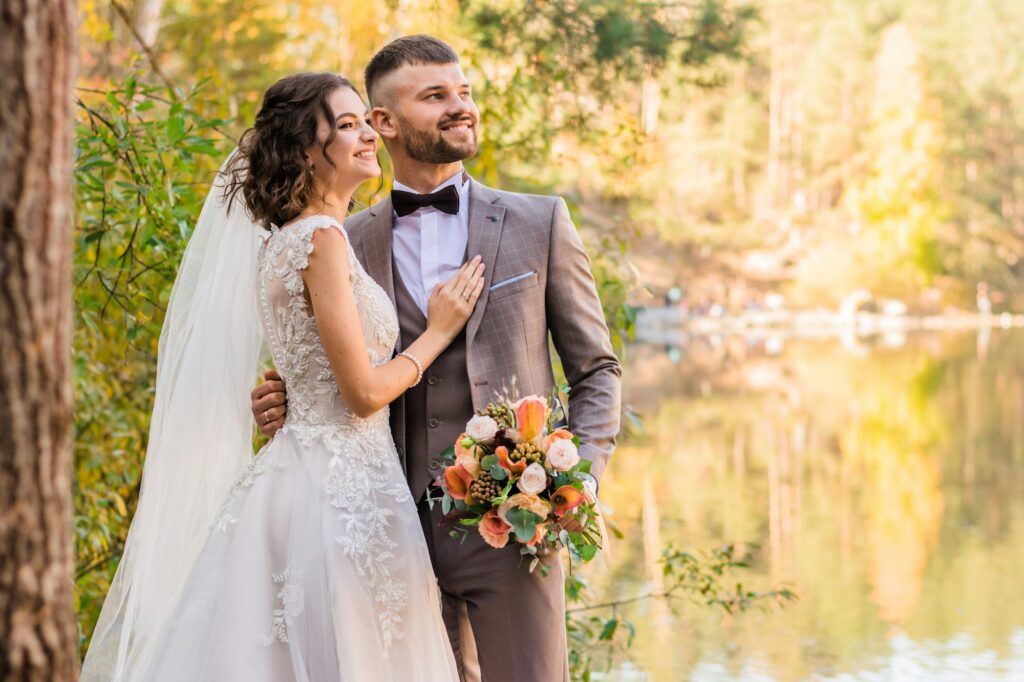
Illustrative photograph by Eugenia Pan'kiv / Unsplash.
Years after a wedding, the photograph that holds attention may be an unexpected one. A parent adjusting a sleeve, a friend laughing at the edge of the dance floor or the couple pausing between ceremonies can carry a feeling that a formal portrait does not. These images make the day recognisable from within. They remind the people who were there how it felt to inhabit the occasion, rather than only showing them how the occasion looked.
Luxury wedding photography has a large visual world to work with. Couture, architecture, flowers and light offer opportunities for striking compositions. Yet the human story gives those compositions lasting meaning. A beautifully photographed room becomes more powerful when the gallery also reveals who gathered in it. The challenge is to document the designed celebration and the life moving through it, giving each the attention it deserves without allowing one to overwhelm the other.
Look for a way of seeing
A photographer's portfolio reveals more than a preference for colour or contrast. It shows where attention falls. Some photographers create precise portraits with a strong sense of fashion; others are drawn to movement and unguarded interactions. Many combine several approaches. Looking at complete wedding galleries helps a couple understand how that attention is sustained through an entire day. A few exceptional images cannot explain the shape of the full visual record.
The couple's own relationship with photographs belongs in that conversation. One person may enjoy direction while another feels most comfortable when the camera is less apparent. A thoughtful photographer can discuss both preferences and build a workable approach. This matters because comfort changes expression. The resulting pictures should feel like images of the actual couple, rather than a performance they have been asked to maintain from preparation through to the end of the reception.
References can help establish mood, but they work best as an opening to discussion. A loved image might suggest softness, humour or the scale of a composition. The wedding will have its own light, surroundings and people. Allowing the photographer to interpret the reference within those conditions creates room for original work. An image gains feeling when it responds to what is happening in front of the camera, even if its visual language began elsewhere.
Give portraits room to breathe
Good portraits need time within the programme. If every available minute is assigned to an entrance, an outfit change or a transfer, photography can become a hurried interruption. A protected window gives the couple a chance to settle into the experience. It also allows the photographer to notice how the light and the location are working. The aim is a small amount of purposeful time, organised so the couple can return to their guests with ease.
The best location may be close at hand. A quiet passage, a shaded wall or an uncomplicated view can give clothes and expressions the space they need. A spectacular backdrop is useful only when it supports the portrait. If reaching it requires a long detour, the couple may lose more of the wedding than they wish. The value of the photograph should be considered alongside the value of the time spent making it.
Family portraits require a different kind of preparation. A concise list and someone who recognises the people involved can keep the process warm and orderly. The list should reflect the relationships the couple wants recorded. It can also make room for combinations that a standard template might miss. Clear preparation helps avoid asking guests to wait repeatedly while names are called across the room, and gives the photographer more time to make the images feel relaxed.
Notice what happens at the edges
The main ceremony contains obvious moments of significance, but meaning also lives around it. Guests looking towards the couple, a child trying to understand a ritual or a relative quietly helping another person can enrich the narrative. These photographs place the ceremony within a network of relationships. They show how a wedding belongs to more people than the two standing at its centre, while preserving the couple's place in the story.
Details deserve a human context. Jewellery in a box records an object; the same jewellery being fastened records care. An empty dining room explains the decor, while guests leaning across the table reveal what the setting made possible. Both kinds of image have a purpose. A complete gallery can move between them, allowing the visual design of the wedding to become part of a story that includes participation, anticipation and emotion.
Sound and movement can add another dimension through film. The texture of a voice, the rhythm of a procession or a brief exchange between relatives may communicate something a still photograph cannot. The film team needs space to gather these moments rather than only recreate the sequence of major events. A considered approach to speeches and ambient sound can make the finished film feel personal, even when the celebration itself is visually grand.
Edit for the story you want to keep
The final selection shapes how the wedding will be remembered. Repeating many versions of the same portrait can interrupt the sense of a day unfolding. A thoughtful edit allows the gallery to change pace: an establishing view, a close gesture, a larger gathering and a moment of stillness. The sequence should make sense without requiring every photograph to carry the same intensity. Quiet images give the more dramatic ones somewhere to land.
An album asks for an even more deliberate selection. Images placed together form relationships through scale, colour and subject. A spread might connect preparation with the ceremony, or pair an architectural view with a small family moment. Captions can be useful when names or context will matter later. The album becomes an object someone can return to without scrolling, and its physical pace invites a different kind of attention from a screen.
Ultimately, a wedding's visual legacy should leave room for recognition. The couple should see their own expressions; families should find the people they love; friends should remember the atmosphere they helped create. Craft makes that record beautiful, while attention makes it specific. The photographs that endure allow the designed world of the wedding to remain visible, but they keep returning to the people who gave it a reason to exist.


