One Studio or Two? Choosing Your Wedding Photo and Film Teams
Compare the people, coverage and working arrangement behind the proposal. One name on the quotation does not answer every coordination question.
A wedding photograph and a wedding film can tell different parts of the same story. One holds a gesture still; the other can keep its movement and sound. The decision about who makes them deserves more attention than whether the proposal arrives under one logo or two.
Begin by looking at complete work in both formats. Then compare the actual team and scope you would be booking. A combined package can be convenient; separate specialists can be an equally coherent choice when their collaboration is planned.
First establish what the studio actually provides
The Wedding Filmer states in its published FAQs that it does not offer wedding photography itself and has worked alongside photographers. That is a concrete example of film and photography being provided by separate specialists. The same FAQs explain that its crew is tailored to the wedding. (The Wedding Filmer — FAQs)
Ask every proposed supplier to identify the service it is responsible for, the people leading it and any separate partners involved. A familiar studio name on a quotation should lead to a clear introduction to the team expected at your celebration.
Compare coverage function by function
Create one list of functions and important simultaneous moments. If both partners are getting ready in different places, show that clearly. Ask how stills and film coverage would be allocated, including travel between locations and the parts of the day each team is booked to attend.
Then compare the deliverables in plain language. Identify which photographs, films or ceremony recordings are included, how the selection process works and when delivery is expected. Different services should be easy to understand before the family chooses a package.
Give the two creative leads a shared conversation
With separate teams, introduce the leads well before the wedding. Discuss the portrait window, ceremony positions, family groups and any moments that require particular preparation. Let them raise practical concerns with the planner together.
For a combined studio, ask who makes those coordination decisions internally. The question remains useful even when there is only one invoice. You want both creative disciplines to understand the same priorities and the same timetable.
Look for a compatible way of working
Share your preferences about direction. Would you enjoy a carefully arranged portrait session, or do you want most of the celebration observed as it unfolds? Explain which parts of the day should be left uninterrupted.
Ask how the proposed team approaches those preferences and look for that approach in complete galleries and films. The most attractive isolated image may tell you little about how it felt to be photographed for an entire weekend.
Make the practical responsibilities legible
Before confirming, establish who handles timetable changes, travel and accommodation, additional coverage and delivery queries. Discuss the intended use of the finished work and how any private moments or sharing preferences will be handled. Put the agreed scope in writing with each supplier.
The stronger arrangement is the one whose people, work and responsibilities you understand. Whether it uses one studio or two, it should leave the couple free to be present while both teams know how to tell the story.
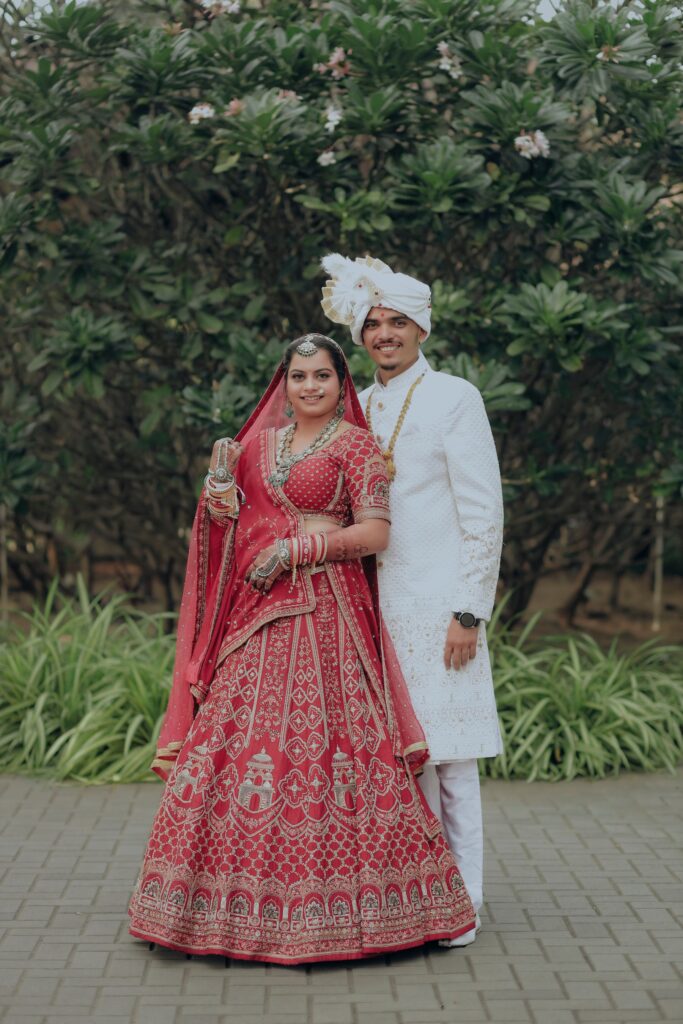
An Indian wedding portrait photographed in Surat by Milan Vekariya. Illustrative portrait, not The Wedding Filmer’s work or a still from one of its films. Photography: Milan Vekariya. Pexels License. Via Pexels. Original photograph unchanged.