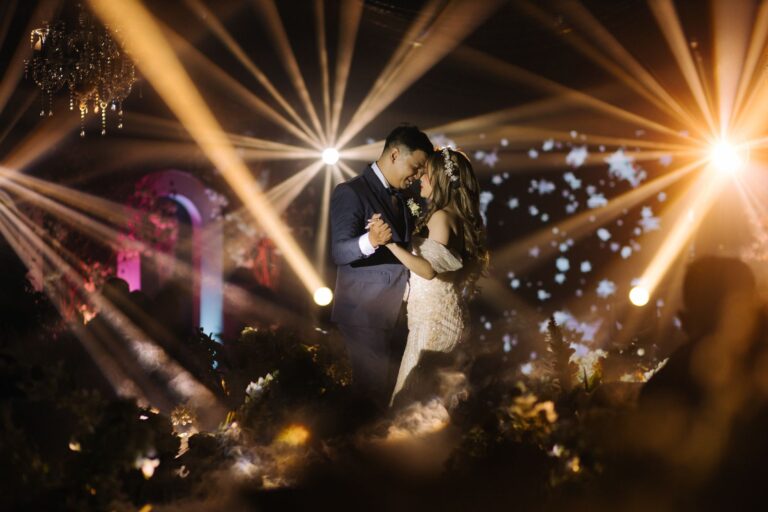
Your Wedding Album Will Become a Family Record. Give It the Missing Context.
The photographs everyone understands today may need names, relationships and a little explanation in twenty years. Preserve that knowledge while it is easy to collect.
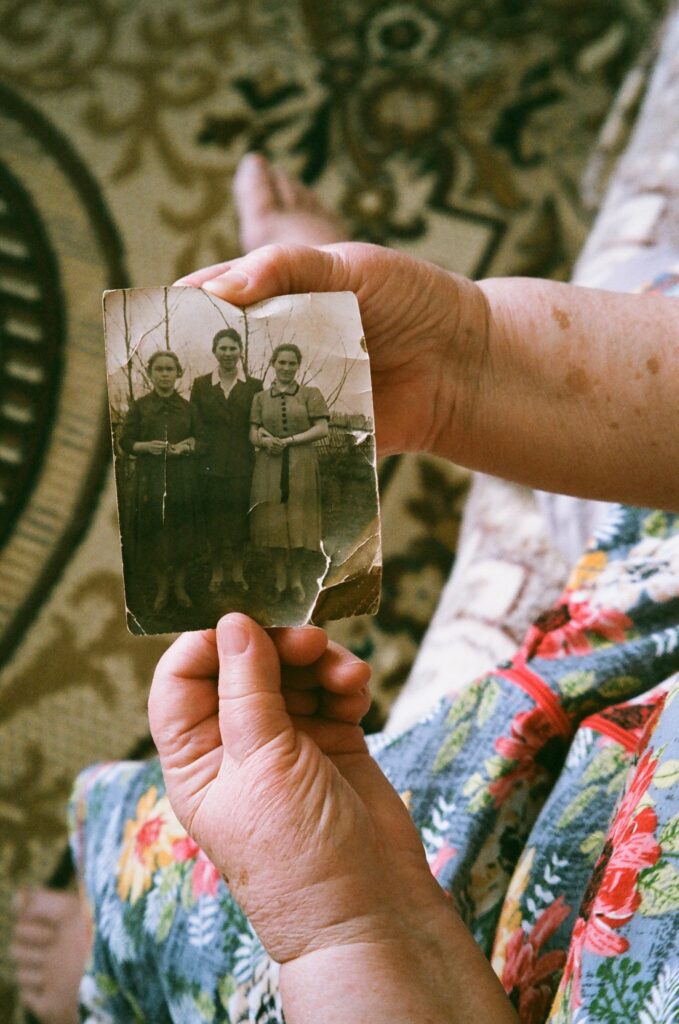
An old family photograph can be beautifully clear and almost impossible to read. Everyone is visible; nobody has written down which aunt is standing beside the doorway, whose home it was or why the gathering mattered.
A wedding album has the chance to avoid that silence. Alongside the finished photographs, preserve the small pieces of context that will otherwise remain in the memories of the people who attended.
Look for the relationship inside the frame
Sam & Ekta’s published portfolio describes a spontaneous photograph of Anil Ambani alongside a portrait of his father, Dhirubhai Ambani. The accompanying description makes the relationship between the two images legible. It shows how a short piece of context can change what a viewer understands without changing the photograph itself. (Sam & Ekta — Documentary Wedding Photography Portfolio)
Bring that question to your own selection: what would someone outside the room need to know? A borrowed shawl, a familiar gesture or a relative’s place in a ceremony may carry significance that the image cannot explain on its own.
Collect a small family key
Ask one well-informed person from each side to help identify the people in the photographs the couple wants to preserve. Record preferred names and relationships carefully, particularly where several relatives share a name or a nickname.
Include a few notes about objects and places that matter. Who lent the jewel? Which family home appears in the background? What is the meaning of an unfamiliar ritual in this family’s celebration? Let the people involved supply the account rather than assigning a general cultural explanation that may not fit them.
Keep the notes concise and check uncertain details. An elegant caption is of limited use if it confidently identifies the wrong person.
Decide where the words belong
The album need not become a book of labels. Discuss a short introduction, a discreet caption page or a separate family index with the photographer or album designer. Some spreads may benefit from a date and a place; others should be allowed to speak visually.
Link the notes to clearly identified photographs or agreed spreads. If the layout changes during design, update those references before approving the final copy.
Ask about the delivery of a digital companion to the printed album. Keep the finished notes with the delivered photographs in a clearly named location the couple can find again.
Leave room for ordinary evidence
Alongside the formal portraits, consider the images that show how people were together: a grandfather listening, siblings waiting in the corridor, a child studying the ceremony. Their value may become clearer as the family changes.
Let the photographer’s visual sequence retain its rhythm; the family record can extend beyond the selection printed in the principal album. Decide which photographs should remain private and how any copies for relatives will be shared.
An album can remain a beautiful object while carrying accurate family knowledge. The extra work is modest now, when the people, places and stories are still close enough to ask about.
A vintage family photograph held in older hands. An illustration of photographs as family records; the people’s identities are not assigned in this editorial. Photography: Антон Жук. Pexels License. Via Pexels.