
A Little Grain a Lot of Feeling
The appeal of film wedding photography lies in its considered pace and physical character, with the strongest collections balancing atmosphere and a clear record of the day.
5-minute read
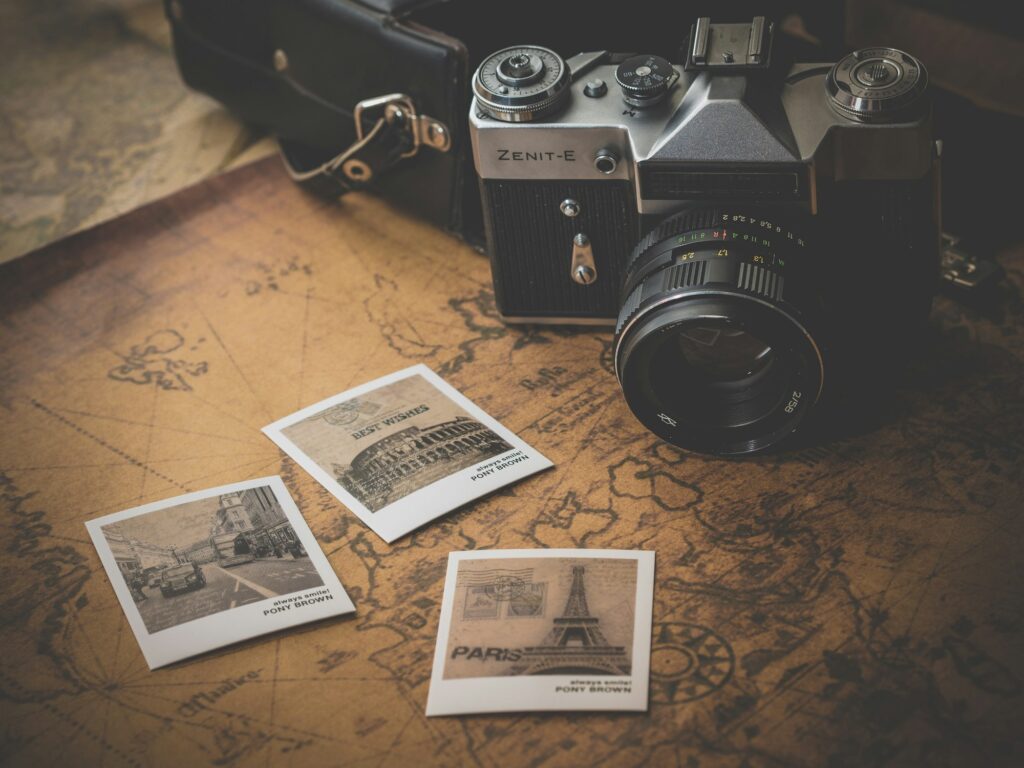
Illustrative photograph by Dariusz Sankowski / Unsplash.
A wedding photograph can be full of information and still leave you looking at something small: a hand at the edge of the frame, light on a silk sleeve, the expression of a friend who has forgotten the camera. Film brings a particular surface to those details. Its grain, colour and tonal character can make a picture feel tactile, as though it belongs to a family album before it has even been printed. That attraction is helping to renew the conversation around analogue wedding photography.
The subject deserves a little precision. Actual film photography involves exposing physical photographic film and developing it before the images can be scanned or printed. A digital photograph given a grain effect is a different process, even when the finished mood is similar. Couples do not need a technical education to appreciate either approach. They do, however, benefit from understanding what a photographer is offering, and from choosing the work itself rather than relying only on the romance of the word analogue.
Look past the surface
The first question is how the photographer sees a wedding. A beautiful colour palette or a nostalgic finish cannot replace composition, timing and attention to people. Look for complete sequences in which the atmosphere changes: quiet preparation, formal family photographs, a busy ceremony and a darker room at night. These reveal whether the photographer's sensibility remains convincing across the day. A few exceptional portraits may attract the eye, but a wedding collection needs more than a succession of attractive isolated frames.
Grain should have a role within that language. It can give texture to a photograph, but it does not automatically make the image more truthful or moving. The feeling comes from what was noticed and when the shutter was released. A disciplined photograph may be perfectly sharp; another may use movement deliberately. The strongest work makes those choices feel appropriate to the scene. It allows texture to support the story without asking texture to become the entire reason the picture exists.
Colour deserves the same attention. Some couples are drawn to a muted palette, while others want the richness of their clothes and flowers to remain vivid. There is no single film appearance, and the final result is influenced by several decisions, including the material used, exposure and scanning. Looking at a photographer's finished galleries is more useful than choosing an aesthetic from a label. The question is whether the treatment respects the people, textiles and surroundings that matter to the couple.
Make room for a slower medium
Film introduces a different working rhythm. The photographer has a finite number of frames loaded at any one time and cannot review an exposure on a camera screen in the usual digital way. That can encourage a considered approach, but it also requires familiarity with the medium. Weddings move quickly. The person working with film needs to be comfortable anticipating a gesture, reading changing light and moving between scenes without asking the celebration to pause around the needs of the camera.
This is especially relevant at an Indian wedding, where several meaningful things may happen at once. A ritual at the centre of the ceremony can coincide with an emotional reaction among the family. The couple should discuss which moments need dependable coverage and how the team will divide its attention. Analogue work can sit within a broader photography plan, with different tools assigned different roles. The arrangement should be clear enough that a preferred aesthetic does not leave an important part of the day unattended.
Portrait time can provide an especially generous setting for film. A few quiet minutes in good light allow the photographer and couple to work without the pressure of competing announcements. These pictures need not feel rigidly posed. A walk, a short conversation or simply standing together can create enough movement and connection. The important ingredient is a little protected time, agreed with the planner so that it feels like a pause within the wedding rather than an unexplained absence from it.
Give the evening its own visual language
The reception changes the conditions. A room lit for dinner becomes another kind of place once the dancing begins, and the photographer should understand how they intend to work in both. Flash can create crisp, energetic pictures with a strong sense of proximity. Available light may produce another mood entirely. The couple should look at examples from comparable settings and ask how the photographer balances the desired atmosphere with a readable record of the people inside the room.
A little imperfection can be expressive; an entire collection that is difficult to read may feel less satisfying later. Family photographs, portraits and essential ceremonial moments each have their own value. The evening can include experimental pictures without making every frame an experiment. This is a matter of editing as much as shooting. A coherent gallery lets lively images sit beside quieter, clearer photographs, so the movement of the party becomes part of a fuller account of the wedding.
Guests' photographs can introduce another perspective. Disposable cameras or small analogue stations may encourage participation, although they should be treated as an addition to the professional coverage. Someone needs to collect the cameras, arrange processing and decide how the results will be shared. Clear expectations keep the idea enjoyable. The attraction lies in seeing the evening through another person's attention, with all its unpredictability, rather than assuming that a particular camera will reliably produce a particular kind of memory.
Think about the finished collection
The conversation should extend beyond the wedding day. The couple needs to understand what will be delivered, the anticipated processing and editing timeline, and how scans and physical materials will be handled. Questions about storage, printing and access are ordinary parts of a professional commission. They do not diminish the romance of film. They make room for that romance to arrive in a form the couple can actually use, revisit and share with the people who appear in the pictures.
A printed edit can make the material quality of the photographs especially rewarding. Different images may ask for different sizes, and an album benefits from rhythm rather than constant visual intensity. A wide scene can establish the room; a small detail can slow the page; a portrait can bring the reader back to the people. Selecting photographs for print encourages another kind of looking, one that is less concerned with instant impact and more interested in how a wedding unfolds over time.
Film is most compelling when it serves that longer view. It gives the photographer a set of possibilities, and the couple a collection with a particular physical and visual character. Yet the pictures worth keeping will still depend on attention: to a relationship, to a fleeting expression, to the exact way the day felt from inside it. Grain may draw us toward the photograph. The people within it are what persuade us to return, years after the appeal of any particular aesthetic has changed.


