When the Setting Becomes Part of the Story
A destination wedding finds its character through the place, its people and the thoughtful experience of arriving somewhere together.
5-minute read
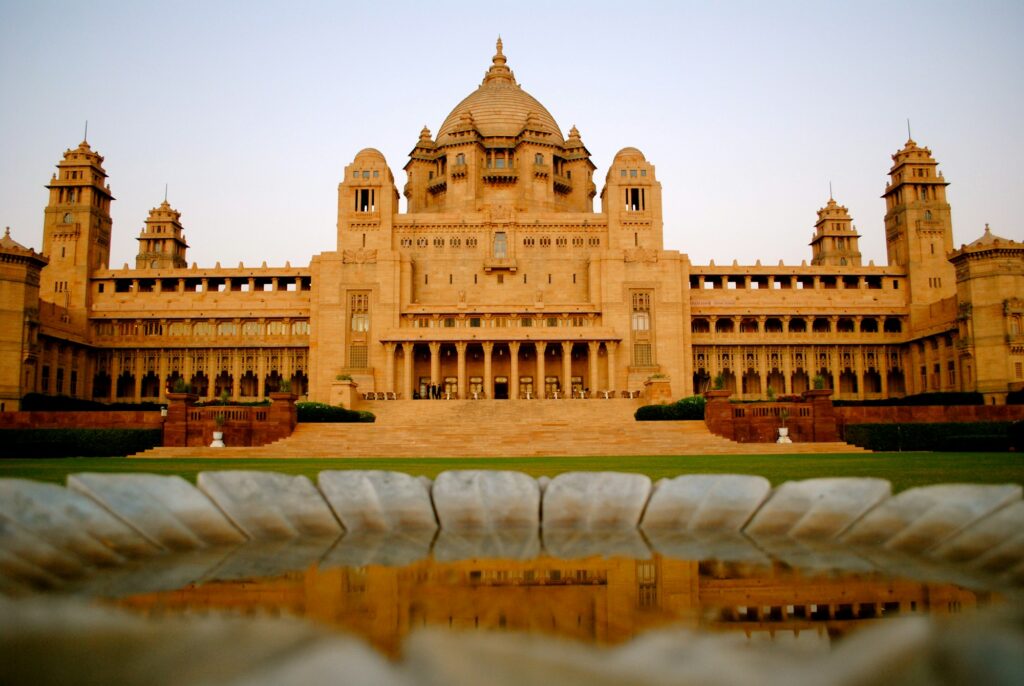
Illustrative photograph by SAM MATHEWS / Unsplash.
The journey to a wedding begins before the ceremony. There is the first glimpse through a car window, the change in the air and the moment a guest steps into an unfamiliar lobby. A courtyard, a coastline or a hillside can alter the pace of a weekend almost immediately. These impressions become part of the celebration's memory. For a destination wedding, the setting carries emotional weight long before it appears behind the couple in a photograph.
Choosing a beautiful location is therefore an editorial decision as much as a logistical one. It establishes the world in which the wedding will unfold. A palace courtyard suggests a different rhythm from a secluded coastal retreat, and a city hotel offers another kind of pleasure altogether. The right place gives the couple something recognisable to respond to. It also gives their guests a reason to feel present, beyond attending a sequence of events.
A place with a point of view
The strongest destination concept begins with a relationship. Perhaps the couple returns to a place they have loved together, or one family's history gives a location particular meaning. Sometimes the attraction is simply a landscape that suits their temperament. What matters is that the choice can be explained in human terms. The destination should feel connected to the people getting married, rather than selected only for the appearance of its most photographed corner.
That connection can influence the wedding gently. The colours of local stone may inform the stationery. A terrace can encourage an unhurried welcome dinner. A regional textile can add interest to a lounge without turning the entire event into a display of motifs. There is a difference between engaging with a place and borrowing every recognisable symbol from it. A few carefully understood details often give the celebration more depth than a crowded visual theme.
Architecture also brings its own sense of time. A long corridor slows an entrance; a sequence of courtyards allows the evening to unfold gradually. An open horizon creates a different feeling of scale. These qualities can inform where guests gather and how the events are arranged. Letting the venue contribute to the rhythm of the wedding makes the experience feel less interchangeable. The itinerary begins to grow out of the place itself.
Arrival is the first act of hosting
Guests may reach the same destination with very different levels of energy. Some have travelled a short distance; others arrive after a long flight or with children and older relatives. A thoughtful welcome recognises those differences. Clear information, an easy transfer and something simple to eat can matter more in that moment than an elaborate arrival spectacle. The first act of luxury hospitality is to understand what a person needs when they reach the door.
The room can extend that welcome. A concise note with useful timings, a direct contact for questions and an explanation of how to reach each event reduce uncertainty. If guests must change hotels or travel between venues, that movement should feel considered. The wedding's visual identity can sit lightly around this information. It should remain easy to read. An elegant experience depends partly on guests feeling that someone has anticipated the ordinary questions they might hesitate to ask.
The opening event works best when it allows people to find their footing. A welcome dinner can bring friends from different parts of the couple's life into conversation without demanding another elaborate entrance or outfit change. Food, introductions and a comfortable place to sit do much of the work. After a day of travel, a relaxed beginning can feel particularly generous. It gives the wedding somewhere to grow from over the following days.
Leave room for the destination
A place becomes memorable through time spent in it. If every hour is filled with a ceremony, a fitting or a transfer, guests may leave knowing only the interior of the event spaces. A free morning or an optional local experience can change that. People might walk, visit a neighbourhood, linger over breakfast or simply sit with the view. Their individual discoveries become another layer of the wedding story, shared later at dinner.
Optional experiences should remain genuinely optional. A destination wedding gathers people with different interests, mobility needs and appetites for activity. One guest may enjoy a guided visit while another prefers to remain at the hotel. Both can feel equally included when the main celebration holds everyone together. The freedom to choose helps the weekend feel like hospitality. It avoids turning a beautiful setting into a timetable that everyone must experience in exactly the same way.
Local collaborators can make these encounters more meaningful. A host who knows the area, a cook who understands its ingredients or an artisan who can explain a material brings specificity that a generic activity cannot supply. Their contribution deserves clear credit and thoughtful coordination. The aim is an exchange in which guests learn something and the people sharing their knowledge are respected. A wedding can have an international scale while remaining attentive to its immediate surroundings.
The view and the lived experience
A spectacular ceremony backdrop needs to be considered alongside the experience of sitting before it. The direction of the sun, the length of the walk and the availability of comfortable waiting spaces will influence how guests remember the occasion. A terrace may photograph beautifully while requiring a carefully planned alternative in poor weather. These practical questions belong within the creative brief. They help preserve the atmosphere the couple has imagined, even when circumstances change.
The same care should shape the transitions between events. A long journey to dinner can interrupt the closeness established during a ceremony. Conversely, a short walk through a garden can become one of the loveliest parts of the day. The destination's geography helps determine what will feel natural. Planning with that geography, rather than repeatedly working against it, gives guests more time to enjoy the reason they travelled: being together for the wedding.
When the weekend ends, the destination should hold more than a collection of backdrops. It should contain the breakfast where two families first spoke easily, the afternoon spent beside the water and the path everyone took to dinner. These are experiences a room cannot manufacture alone. A luxury destination wedding becomes distinctive when beauty and hospitality meet in the same place. The landscape remains in the photographs, while the feeling of having been welcomed remains with the people who travelled there.