The Luxury of Being Well Hosted
Behind an effortless wedding is a series of precise decisions that give the couple and their guests the freedom to enjoy it.
5-minute read
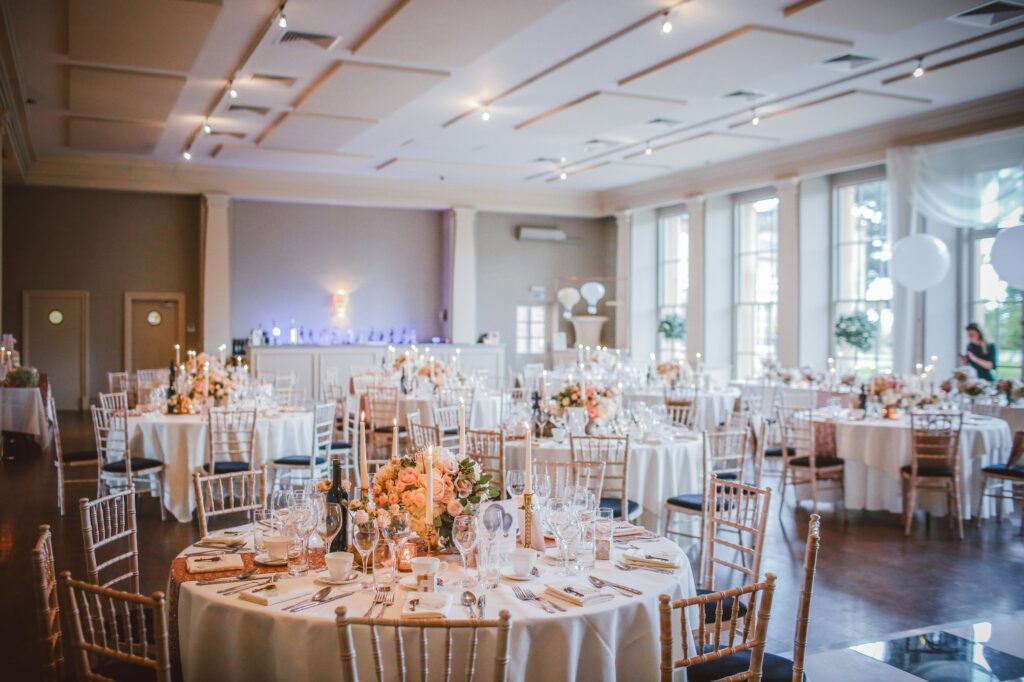
Illustrative photograph by Thomas William / Unsplash.
Guests often describe a beautifully planned wedding through feelings rather than systems. They knew where to go. Someone was there when a question arose. Dinner arrived at the right moment, and the evening seemed to move naturally from one gathering to the next. These impressions are the result of detailed work. Planning gives a celebration its structure, then allows the structure to recede so the people attending can pay attention to one another.
For a luxury wedding, this work sits behind every visible expression of craft. Flowers need access to a room at a particular time; a chef needs to know when guests will sit down; an artist needs an opportunity to prepare. Each decision has consequences for another team. The planner's role is to understand those relationships and give them a workable sequence. An ambitious creative idea becomes more convincing when the experience around it feels equally considered.
Define what the wedding should feel like
A useful brief begins with priorities. The couple might want an intimate ceremony within a large gathering, a weekend with time for conversation or an evening centred on music. These preferences help the planner assess the purpose of each event. Without them, the programme can grow simply because more ideas are available. A clear understanding of the desired experience gives everyone a basis for making choices, including which appealing elements do not need to be included.
The guest list influences that experience substantially. Its size, family relationships and range of ages affect the venue, service and rhythm of the day. The number alone does not tell the full story. A gathering with many guests arriving from abroad has different needs from one attended mainly by people who live nearby. Understanding who is being hosted makes it possible to design around actual people, rather than an abstract version of an elegant wedding.
The couple's own needs belong in the brief as well. Some enjoy a full programme and frequent appearances; others want time with smaller groups of friends. A person who dislikes being the centre of attention may prefer fewer staged entrances. These preferences should be discussed early. They help the planner create a wedding the couple can enjoy from within, rather than one they experience as a series of obligations arranged around them.
Make the handovers clear
A wedding involves many teams working beside one another, sometimes across several spaces. Clear responsibility helps prevent small uncertainties from becoming visible interruptions. Someone needs to know when the dining room is ready, who confirms a transport departure and how an extended ceremony affects the next event. These handovers matter because guests experience the wedding as a continuous occasion. They do not see the separate departments responsible for each part of it.
The programme should account for what happens between the principal moments. Walking to a venue, greeting relatives and changing clothes all take time. A timetable that records only the ceremony and dinner can leave these passages unresolved. Allowing realistic space for them makes the day easier to inhabit. It also reduces the pressure to hurry an emotional moment because the next team is waiting for a cue that was never achievable in the first place.
Information should move through a clear point of coordination. If the couple is being asked the same question by several teams, the plan is placing unnecessary work back in their hands. A trusted planner or designated lead can gather the relevant decisions and communicate them consistently. The couple can remain involved in choices that matter to them without becoming the daily messenger between specialists. That distinction helps preserve the pleasure of preparing for the wedding.
Walk through the day as a guest
A guest's experience begins with the information received before arrival. Directions, timings and response details should be clear enough to use without a separate explanation. On the day, the approach to the venue needs to make sense. People should be able to find the entrance, understand where to wait and reach their seats comfortably. These are modest details individually. Together, they determine whether the wedding feels welcoming from its first moments.
The walkthrough should include people with different needs. An older guest, a parent with a young child and someone attending alone may experience the same sequence differently. Distance, seating and access to a quieter space deserve consideration. The plan can respond without making every accommodation conspicuous. A wedding feels more generous when people are supported naturally, rather than required to ask repeatedly for help with predictable parts of the day.
Hospitality also extends to the gaps. A wait between events can feel pleasant when there is somewhere to sit and something appropriate to drink. It can feel much longer when guests are unsure what is happening. Brief, useful communication preserves confidence. No one needs a running account of the production schedule, but people appreciate knowing whether dinner will begin shortly or whether they have time to return to their rooms before the next gathering.
Prepare for change without losing the mood
The wedding will unfold in real conditions, and those conditions can change. Weather may affect an outdoor event; a ceremony may take longer than expected; an important guest may arrive late. A considered alternative gives the planner room to respond. It should address the experience as well as the logistics. An indoor ceremony option needs an atmosphere of its own, rather than functioning only as an available room into which everyone can be moved.
Creative teams should understand the priorities behind these alternatives. If the ceremony's intimacy matters most, a changed setting can preserve that even when the original view is unavailable. If the evening centres on a performance, the revised sequence can protect it while adjusting less essential elements. Knowing what the couple values helps the team make proportionate decisions. It allows the wedding to retain its character when the exact plan must evolve.
Precision also includes knowing when to let a moment continue. A joyful conversation, a moving speech or a dance that draws everyone together may deserve a little more time. The planner can recognise the consequences and adjust with care. The timetable supports the celebration, and the celebration gives the timetable its purpose. This judgment is one of the less visible forms of expertise behind a wedding that feels both composed and alive.
When the work is done well, the couple can spend the day being present. They can hear a relative's words, enjoy the food they selected and remain on the dance floor without checking what happens next. Guests can move through the wedding with similar confidence. The visible beauty of the occasion then has somewhere to land. It is held within an experience of thoughtful hospitality, where being cared for feels as memorable as anything the room contains.