The First Gesture of the Wedding
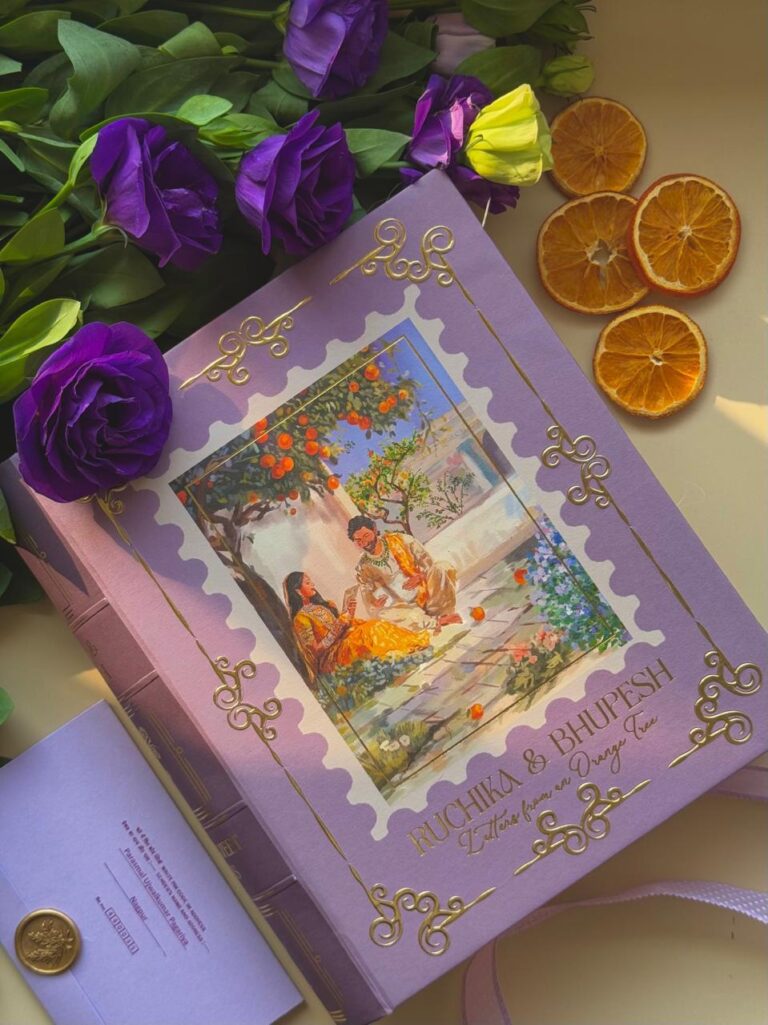
An invitation and a well-chosen gift can express a couple's world with the intimacy of a personal note.
5-minute read
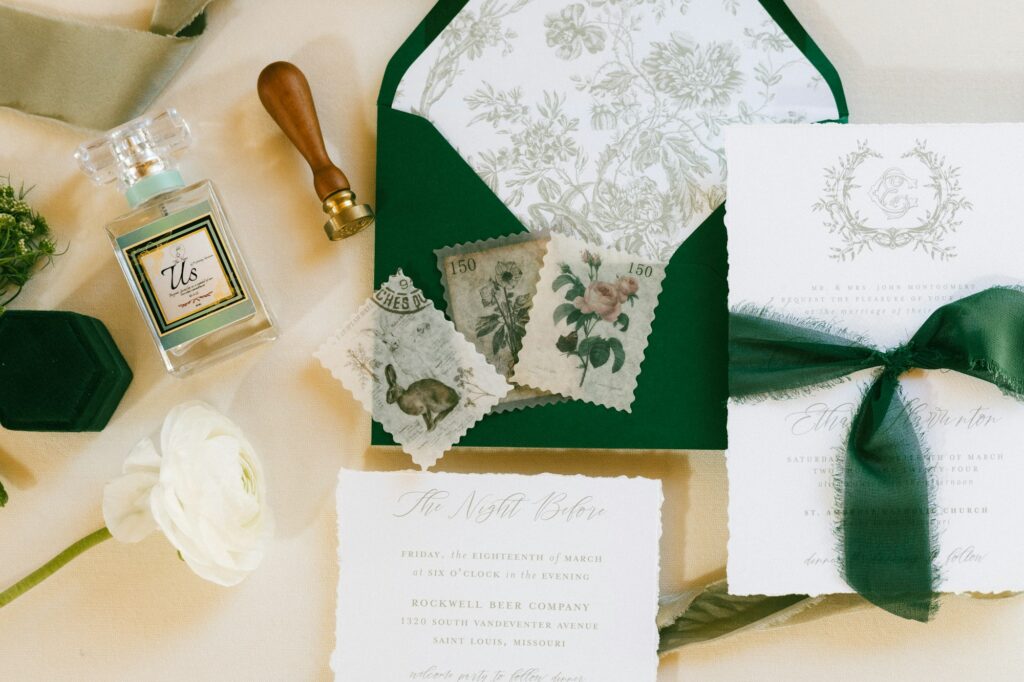
Illustrative photograph by Stacey Vandas / Unsplash.
Before a guest sees the ceremony space, there is an envelope, a message or a small package waiting to be opened. It might arrive during an ordinary working day, carrying news that changes the shape of the months ahead. The invitation is the wedding's first direct conversation with its guests. Its language and material tell them something about the occasion, but the most meaningful message is straightforward: your presence matters, and we would like you to be there.
Luxury stationery has the opportunity to give that message a physical form. Paper can feel soft, crisp or textured; a fold can reveal information gradually; type can set a tone before the words are read. These choices become persuasive when they serve the invitation's purpose. An elaborate object still needs to communicate clearly. A simple card can feel deeply considered if the proportions, printing and wording have received enough attention.
Paper with a point of view
The choice of paper influences every other design decision. A warm surface can give black typography a gentle quality, while a smoother stock may suit a more precise composition. An embossed detail rewards a closer look without asking for attention from across the room. Foil introduces reflection and should be considered alongside the other finishes. The pleasure comes from the relationship between elements, not from applying every available technique to a single suite.
A motif becomes stronger when it has a reason to exist. It could begin with a detail from the wedding venue, a flower associated with home or a drawing that means something to the couple. The designer can simplify and interpret that idea until it feels suited to the paper. Repeating it thoughtfully across a few pieces creates continuity. It need not appear on every surface to become recognisable as part of the wedding's visual language.
Typography carries a similar responsibility. A decorative script may give the names a sense of ceremony, while a clearer typeface handles dates, addresses and practical details. Hierarchy helps a guest understand the suite quickly. The names invite attention; the essential information remains easy to find. Beautiful stationery accommodates a reader as carefully as it accommodates an illustration. Its elegance is partly measured by how naturally someone can use it.
The words set the relationship
Invitation wording should sound like the people extending the welcome. Some families prefer a formal introduction that acknowledges the hosts and the ceremony. Others choose a more personal voice. Both can feel appropriate when they are clear and sincere. The language does not need to become ornamental simply because the materials are luxurious. A few well-chosen sentences can carry warmth, respect and the significance of the occasion without asking the guest to decipher them.
Practical information deserves equally careful editing. When a wedding includes several events, guests need to understand which invitations apply to them and what each gathering involves. Dress guidance can be helpful when it explains the setting or level of formality. It becomes less useful when it is expressed only as an abstract theme. The best wording gives people enough confidence to prepare while allowing them to retain their own comfort and personal style.
A printed suite can be supported by digital information that is easy to update. Directions, travel notes and responses can sit behind a clear website link or QR code, leaving the principal invitation focused. That link should lead to a dependable page with useful information. A guest should not need to navigate several menus to find the ceremony time. The relationship between print and digital works when each handles the task it does well.
A gift with an actual recipient
Wedding gifting becomes more thoughtful when the recipient is imagined as a person. How will they carry the gift home? Is it something they can use, share or keep with pleasure? A large presentation may make an impression at the moment of arrival and become inconvenient by departure. Considering the guest's journey can produce a more graceful choice. The gesture feels generous when it fits into their life, rather than asking their life to accommodate it.
Food can bring a particular warmth to a welcome gift. A thoughtfully selected sweet, a local speciality or something to enjoy with tea gives guests an immediate experience. Clear ingredient information and appropriate storage deserve attention alongside packaging. Other gifts might involve a textile, a small handmade object or a useful travel accessory. The value of the choice lies in its suitability and care. Personal meaning does not automatically increase with the number of items inside the box.
Craft can give a gift a sense of place. When an object is chosen from an artisan, a short note naming the maker and explaining the work can enrich the experience. This detail should be accurate and specific. A recipient may appreciate knowing how a piece was made or why the couple chose it. The note turns an attractive object into a small encounter with a person's skill, without needing to exaggerate its history.
What deserves to be kept
Keepsakes earn their place through feeling and usefulness. A beautifully printed personal note may survive long after a large box has been discarded. An object can become part of someone's home because it has a pleasing shape or a practical purpose. The couple does not have to predict which piece every guest will treasure. They can, however, resist filling the gift with details that exist mainly to repeat the wedding's initials.
Packaging should feel resolved rather than excessive. A considered opening sequence, secure protection and a material that complements the object can make the experience satisfying. The gift needs to arrive intact and be easy to carry away. An invitation needs to survive handling and remain legible. These ordinary requirements are part of the design. A beautiful finish gains credibility when the object works as well as it looks.
There is a quiet connection between an invitation and a thank-you note. One asks a person to be part of an important day; the other acknowledges that they were. Together, they give the wedding a beginning and an afterlife in words. The finest gifting and stationery do something similar through materials. They make a guest feel individually remembered within a large celebration, and leave behind a small, tangible expression of the relationship that brought everyone together.
Share this story
More stories like this

Dhruvi Doshi Designs From the First Invitation to the Final Detail

Megha Beria Paints the First Impression