The Art of Dressing for a Lifetime
A wedding wardrobe becomes more compelling when craftsmanship, family memory and the woman wearing it share equal space.
5-minute read
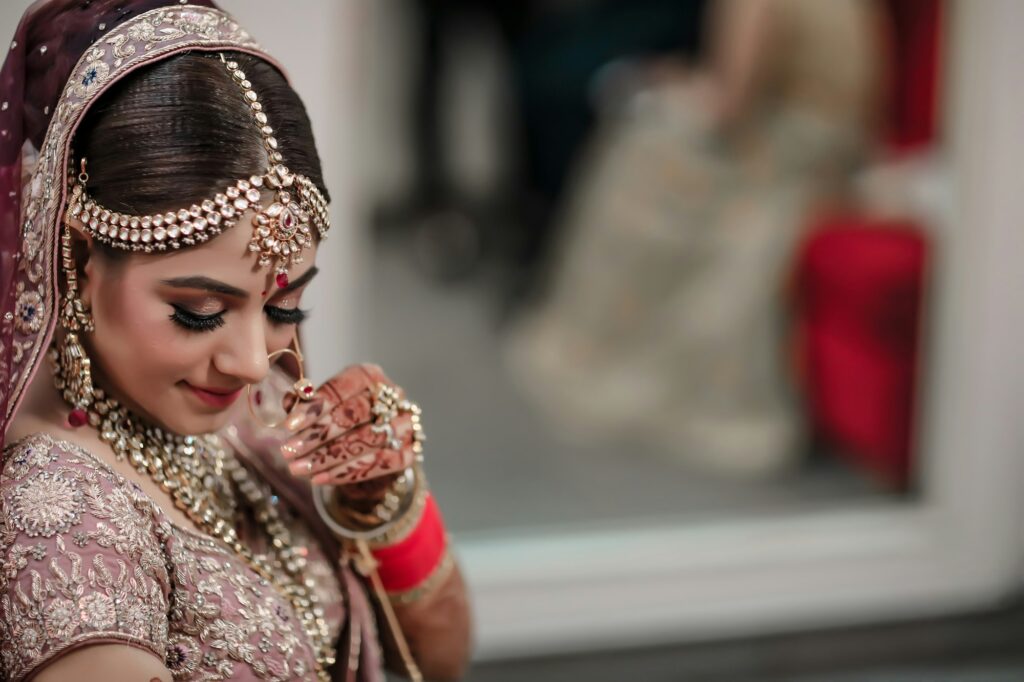
Illustrative photograph by Alok Verma / Unsplash.
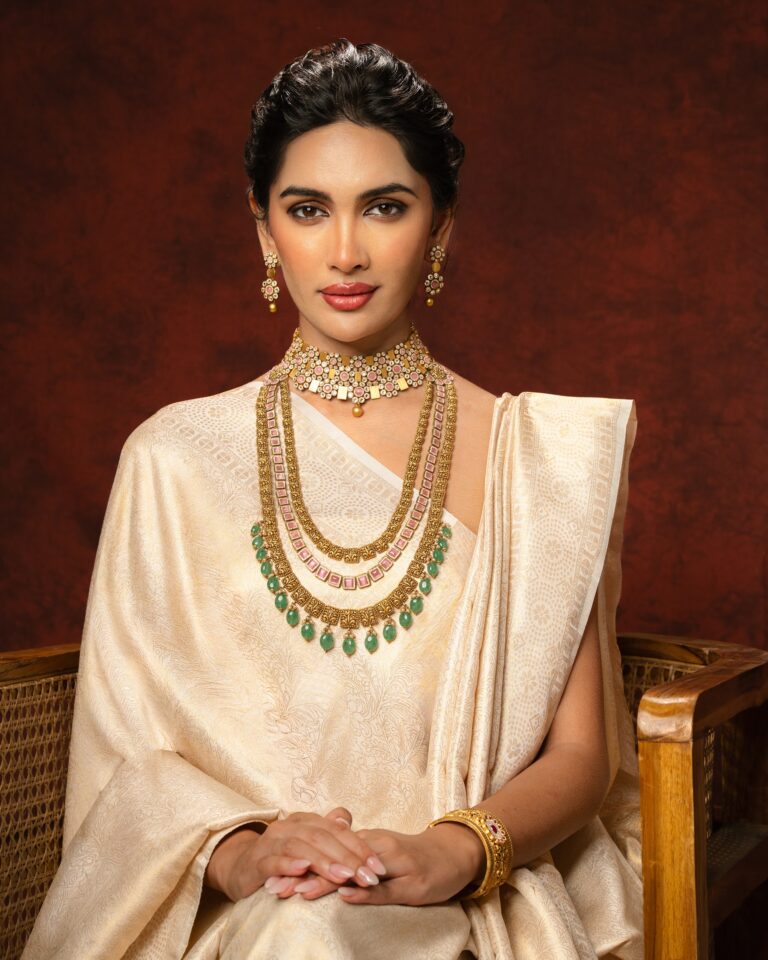
Before the first fitting, there is often a piece of jewellery. It may arrive wrapped in an old handkerchief, lifted from a velvet box or brought out of a locker for an afternoon of remembering. A necklace that belonged to a grandmother can establish the mood of an entire bridal look. Its proportions suggest a neckline; its warmth changes the choice of fabric. Suddenly, the wardrobe has a beginning that is more intimate than a reference image.
Luxury bridal dressing can start here, with attention to something already loved. Couture brings the skill to translate that emotional starting point into a garment with a life of its own. The dressmaker considers how the textile falls, where embroidery should gather and how the bride moves. The jeweller considers scale, fastening and the relationship between the pieces. Together, these decisions allow a wedding ensemble to feel composed rather than accumulated.
A conversation between cloth and stone
Jewellery and couture meet most successfully when each is allowed to influence the other. A substantial necklace needs a neckline that accommodates its shape without swallowing it. Earrings that brush the shoulder can change the balance of a blouse. An embroidered border may carry enough visual weight to make a quieter necklace feel perfectly complete. These are matters of proportion, best understood on the body rather than through separate photographs of beautiful objects.
Colour makes the conversation more interesting. Gold can soften the severity of ivory, while a coloured gemstone may find an echo in a woven motif or a narrow lining. The echo need not become an exact match. A green stone beside a restrained rose textile can create tension that feels deliberate and alive. When every element is identical in tone and finish, the eye has less to discover. A little difference gives craftsmanship room to speak.
There is also the matter of light. A textile seen in a bright fitting room will behave differently beneath a canopy or in a candlelit dining space. Some surfaces absorb light; others scatter it. Jewellery introduces its own reflections. Looking at the full ensemble in more than one setting helps reveal whether the face remains the focus. The most persuasive bridal portrait allows the viewer to notice the wearer before studying the individual components around her.
What the fitting reveals
The fitting is where an idea becomes a garment. A sleeve that appears graceful while standing may resist an embrace. A blouse can look immaculate from the front and need more support at the back. The weight of a skirt changes the way its wearer walks. These discoveries are part of the work of couture. They ask for patience, and for the bride to speak honestly about how she feels inside the clothes.
That honesty is especially important during a wedding that moves through several ceremonies. Sitting on the floor, climbing steps, greeting guests and dancing place different demands on an ensemble. A dupatta should be arranged with those movements in mind. Jewellery should feel secure without becoming a distraction. The final fitting can include the intended shoes, the actual necklace and a few ordinary gestures. A dress gains elegance when its wearer no longer has to negotiate with it.
Comfort has an aesthetic consequence. A woman who can lift her arms, turn naturally and sit without constant adjustment inhabits her clothes differently. Her shoulders relax. Her attention returns to the people around her. No amount of embellishment can manufacture that ease afterwards. Within the luxury wedding wardrobe, skilled construction deserves as much consideration as the work visible on the surface, even though it rarely becomes the subject of a photograph.
A wardrobe with distinct chapters
Several wedding events offer an opportunity to explore different sides of personal style. A daytime gathering might welcome a lighter textile and fewer ornaments. The ceremony may make space for a family heirloom. An evening celebration can introduce a sharper silhouette or a more theatrical finish. Cohesion comes from the woman at the centre of these choices. She does not need to repeat the same colour or level of ornament to appear recognisably herself.
The groom's wardrobe benefits from the same care. Fabric, fit and the scale of accessories can establish a relationship with the bride's ensemble without producing an identical pair. A shared warmth in the textiles or a small recurring detail may be enough. Clothes should also respect each person's preferences. A couple can look beautifully connected while retaining their own sense of dress, which makes the photographs feel more like a portrait of two people.
There is room, too, for an unexpected personal detail. A textile from a meaningful place, a motif associated with home or a lining in a favourite colour can sit quietly inside a sophisticated design. Its significance need not be explained to every guest. The knowledge belongs first to the wearer. These small private decisions can make an elaborate garment feel intimate, even when the room around it is filled with hundreds of people.
The life beyond the wedding
An heirloom begins with the possibility of being loved again. A blouse that can accompany a different sari, a necklace worn at a family dinner or a dupatta brought out for a later celebration carries the wedding into ordinary life. Considering that future while commissioning the ensemble can influence practical choices. Separate pieces, thoughtful finishes and a clear understanding of care give the wardrobe a chance to remain useful as well as meaningful.
Some garments will be kept intact. Others may eventually be reworked, with the original maker's guidance where possible. Neither choice diminishes the memory they hold. A family textile can acquire another chapter when someone new finds a way to wear it. The value lies partly in the ability to recognise the handwork and partly in the stories attached to it. Preservation and use can each be an expression of affection.
On the wedding day, all of this thinking should recede. The bride should be able to receive a compliment without explaining the design process, and to forget her jewellery long enough to laugh. What remains visible is a sense of belonging: the clothes belong to her, the pieces belong together, and the occasion feels worthy of them. That is the lasting pleasure of a well-considered bridal wardrobe. It can hold the grandeur of a wedding while leaving room for a life.
Share this story
More stories like this

Why the JADE Bride Deserves a Closer Look

The Case for Choosing Your Anmol Jewels Before Your Lehenga