The After Party Finds Its Groove
Vinyl-led sets and intimate lounge spaces offer a more personal way to shape the wedding's late hours, with musical taste setting the scene.

5-minute read
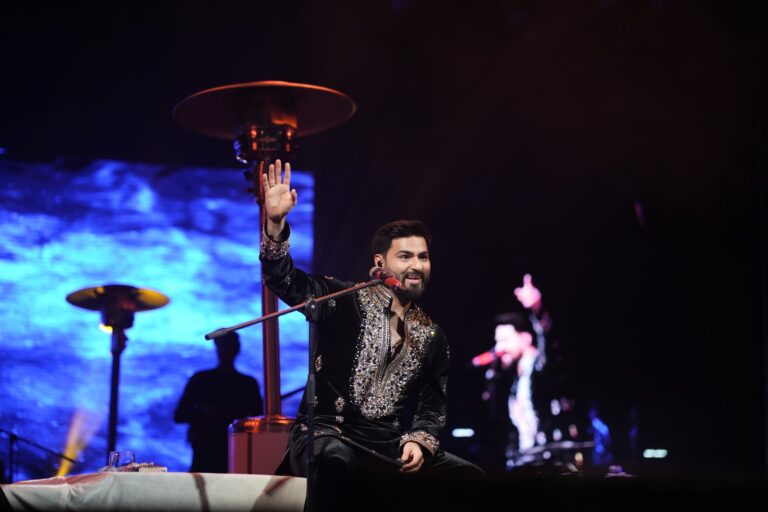
Illustrative photograph by Konstantinos Hasandras / Unsplash.
Some of the best wedding evenings change character without announcing a new event. Dinner ends, a different room begins to fill and the music becomes a little more particular. Guests recognise a song they have not heard in years, or hear something unfamiliar that makes them stay. A vinyl-led after-party draws on that sense of discovery. The records are part of the atmosphere, but the real attraction is a set that sounds like someone has thought carefully about the people in the room.
The idea fits a wider interest in intimate nightlife settings, with jazz-club weddings, speakeasy spaces and vinyl touches appearing in Pinterest's 2026 wedding report. These references need not become a literal theme. The useful influence is the way a good listening bar or small club establishes a world through its music, lighting and scale. At a wedding, that world should connect to the couple's taste while remaining generous enough to welcome the friends and family who want to join them there.
Begin with the records behind the relationship
A musical brief can start with the couple's actual listening. The album played on an early road trip, a singer associated with home or the music they return to on an ordinary Friday night can establish a direction. These references are more useful when accompanied by a little context. The DJ needs to understand what the couple enjoys about them: the rhythm, the mood, the cultural connection or the memory. A good set grows from that understanding rather than simply arranging favourite titles in a fixed order.
Indian music can bring tremendous range to this conversation. A set might move through film songs, independent releases, regional favourites or a particular era without being restricted to the most familiar wedding medley. The route should feel musical rather than instructional. A skilled selector can introduce a surprising track in a way that feels natural to the room. That moment of recognition, especially when shared across generations or groups of friends, can give the party a character no generic playlist could provide.
Requests and boundaries are worth discussing in advance. A few important songs can be protected, and a short list of tracks the couple would rather avoid can prevent awkward interruptions. Beyond that, the DJ needs room to read what is happening. A party is a social encounter, with energy that changes as people enter and leave. The brief should offer a clear identity while allowing the person responsible for the music to respond to the evening as it is actually being lived.
Let the format serve the room
Vinyl can provide a strong visual and musical focus, but the format should suit the performer and the venue. A DJ who works confidently with records brings a different practice from someone asked to add a turntable for appearance. The couple should understand what will be played, how the set will be structured and what support the setup needs. The interest lies in a convincing performance, with the equipment serving the musical idea rather than becoming a decorative promise the party cannot fulfil.
A hybrid arrangement can leave room for different approaches across the night. The first part might be more exploratory, with music that rewards a seat and a conversation, before another set encourages dancing. The change should be planned with the performers rather than assembled as two unrelated bookings. People feel the continuity even when they cannot explain it. A musical evening becomes more memorable when each chapter appears to open naturally from the one before, with enough contrast to make the transition pleasurable.
Live elements need the same sense of purpose. A singer or instrumentalist can introduce a compelling texture if their role within the set is clear and rehearsed. More performers do not automatically produce more atmosphere. Sometimes the most persuasive choice is to let the DJ hold the room alone. At other times, a short live passage can become the night's highlight. The decision should follow the music and the space, giving each contribution enough room to be heard and understood.
Design a party people can inhabit
A lounge beside the dance floor allows the after-party to include more than one kind of participation. Some guests want to move continuously; others want to listen, talk or rest before returning. Seating should feel connected to the room rather than like an overflow area beyond the event. Small tables, considered lighting and a clear view of the activity can make the quieter places attractive. The party gains depth when guests can change their level of involvement without having to leave it entirely.
Lighting can establish intimacy without obscuring the practical parts of the room. Guests need to recognise faces, find drinks and move between seating and dancing comfortably. The DJ and lighting team should agree on the mood, particularly if the set moves between listening and a more energetic passage. Constantly changing effects can become a distraction from a carefully built musical atmosphere. A few well-judged shifts may create a stronger sense of progression than a room that insists on maximum intensity from the beginning.
Sound deserves its own walk-through. The dance floor, bar and seating area should each be assessed, because a set can feel exciting in one place and overwhelming in another. The venue's operating limits and end time need to be agreed before the night begins. These parameters can shape a good party rather than merely constrain it. Knowing the available hours allows the performers to build toward a satisfying close, instead of being interrupted just as the room has found its energy.
Make the last hours feel hosted
Late food should fit the way people are using the space. Small, enjoyable dishes that can be served without an elaborate pause may work better than another formal spread. Water and interesting alcohol-free drinks should remain easy to find. A staffed point of service prevents the atmosphere from depending on guests repeatedly searching for what they need. The after-party can feel loose and spontaneous while still benefiting from the same attention to hospitality that shaped the reception earlier in the evening.
Transport and departures belong within that thinking. Guests should know how to return to their rooms or leave the venue, with someone available to help if arrangements change. The couple can then enjoy the party without becoming its final logistics desk. A good ending does not require everybody to remain until the last track. It allows people to leave comfortably while preserving the energy for those still dancing, so the room becomes smaller naturally instead of feeling abruptly abandoned by the service around it.
The last record should feel like the end of a particular evening, chosen for these people in this place. It might draw everyone together or leave a little space for the friends still talking near the speakers. That specificity is what makes the format appealing. The after-party is remembered for a musical discovery, a shared chorus or an hour nobody wanted to check the time. The turntables may set the scene; the room's response is what gives the wedding its groove.