Terence Lewis Has Seen the Perfect Wedding, and It Isn’t What You Think
The music is only the beginning. A wedding performance edit through the choreography, stagecraft and creative direction of Terence Lewis Contemporary Dance Company.
5 minute read
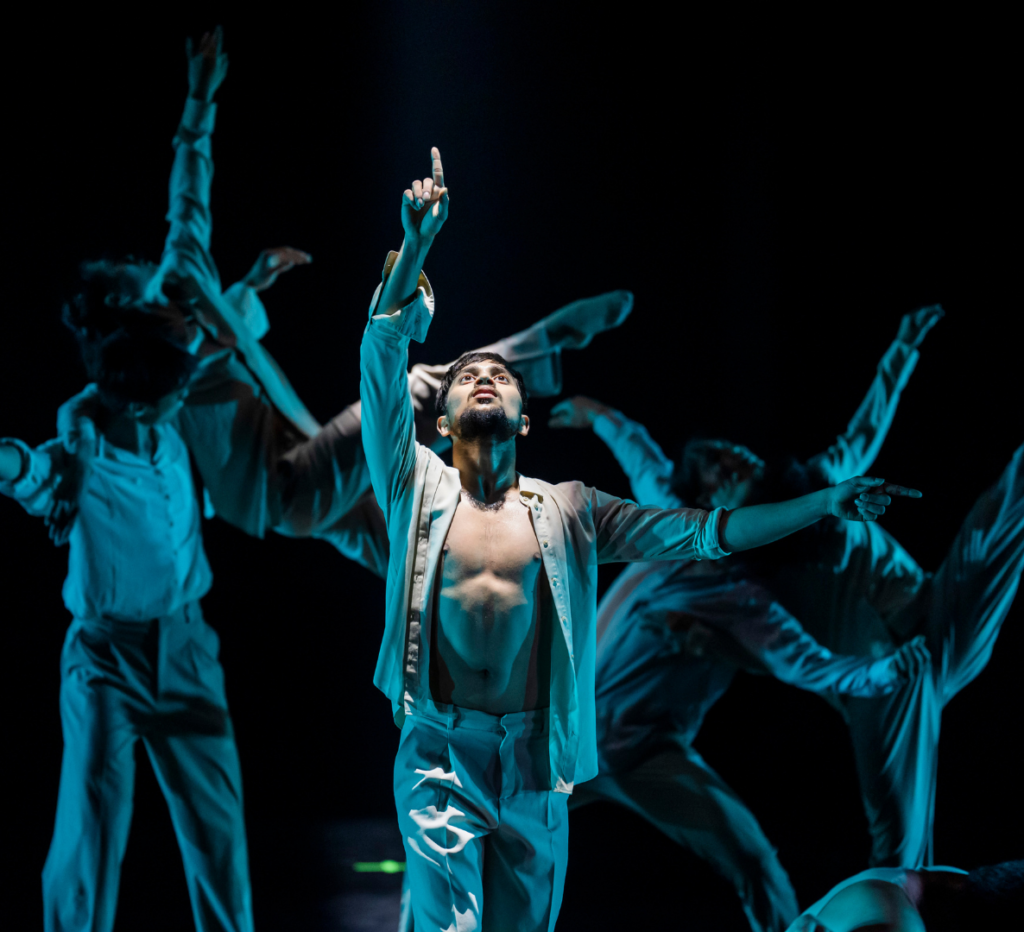
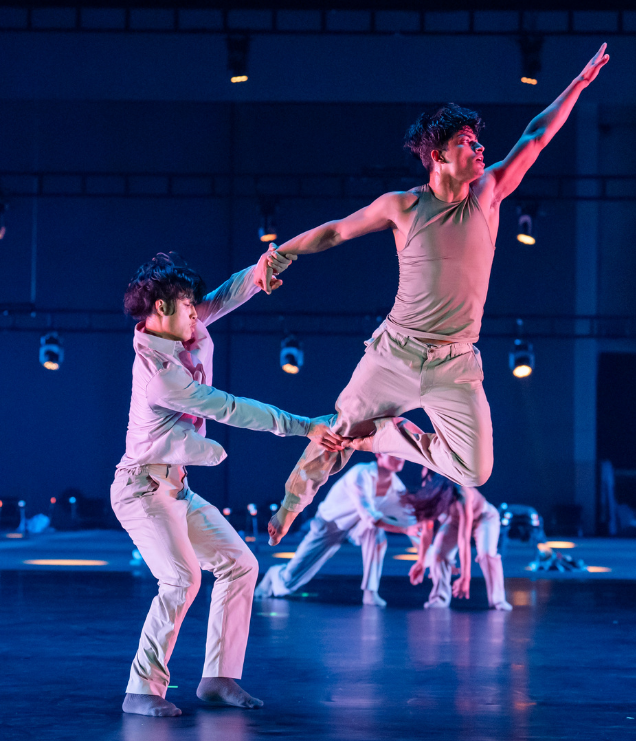
Stage performance imagery from the supplied Terence Lewis portfolio.
Start With the Moment That Matters
A wedding performance begins with a decision about attention. Who should the room be watching, and what should they feel at that moment? An entrance places the couple at the centre. A sangeet opens the stage to a larger cast of people and memories. A professional dance sequence can introduce a different energy. Each has a role within the celebration, and the order in which they appear changes the experience of the evening.
Terence Lewis Contemporary Dance Company brings choreography, stagecraft and creative direction to wedding entertainment, with work spanning sangeets, receptions, couple entries and ceremonial moments. Founded and artistically directed by Terence Lewis, the company offers a useful starting point for considering the wedding as a sequence of performances. The interesting question is how those performances connect to the people and the occasion.
For a couple, the brief begins with what they want a particular moment to express. A favourite song might carry a shared memory. An entrance might be intimate or expansive. The choice should have a relationship to the celebration itself. Once that direction is clear, music, movement and the way the couple enters the space can develop together.
A song selection is therefore also a decision about pace. Its opening determines how quickly attention gathers; its changes create opportunities for movement; its ending affects what comes next. An effective performance edit gives these transitions a shape. The couple and their guests should be able to enjoy the moment without feeling the mechanics required to bring it together.
Build an Evening With a Sense of Pace
A sangeet has its own particular challenge. It can move between professional performances, family appearances and moments that mean more to the people in the room than to anyone watching later. The programme needs to leave space for that personal character. A carefully considered sequence allows different kinds of participation to make sense alongside one another.
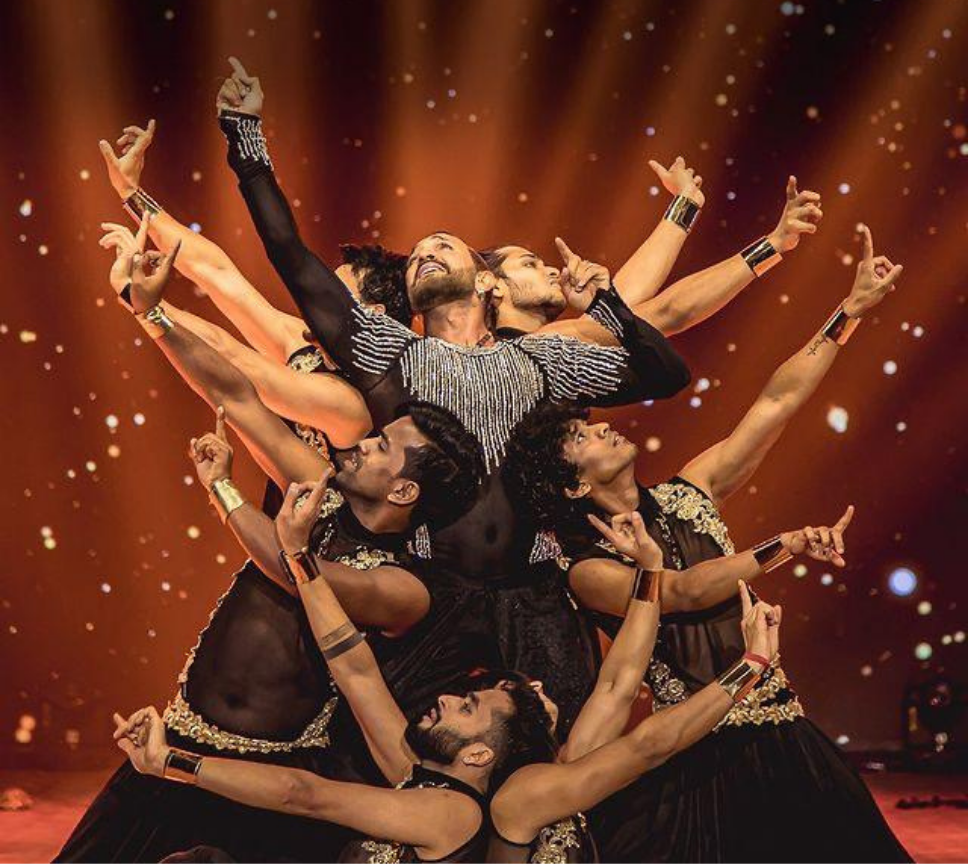
The company’s stage photographs offer a way to examine the craft behind a performance. In one image, raised arms and repeated shapes organise the group around a central figure. The movement creates a focal point while allowing the ensemble to remain part of the composition. The audience has somewhere to look, and the group contributes to the effect of the whole.
For wedding entertainment, that clarity has a practical value. Guests need to understand where a performance begins, who is being introduced and when a moment has reached its conclusion. A musical cue, a change in formation or a deliberate pause can help provide that structure. The transition afterwards matters too, particularly when the next participants are preparing to enter.
The running order should account for those changes of scale. A large ensemble can bring impact; a quieter couple moment asks for a different kind of attention. Placing them thoughtfully allows both to register. The same care applies to duration. A sequence earns its place through what it contributes to the evening, with enough time for the people involved to enjoy it.
This is where creative direction becomes part of the wedding plan. Music edits, entrances, lighting cues and the handover between acts need to fit within the wider schedule. Dinner, speeches and rituals introduce their own timings. Working through that relationship before the day gives the celebration a rhythm that can accommodate the family as well as the performance.
Make the Performance Work in the Room
The final performance is experienced from several positions at once. Guests watch from their seats, photographers look for useful angles and performers navigate the stage. The couple may be part of the action or watching it unfold. A plan that accounts for these perspectives gives choreography a setting in which it can be understood.
In a second stage photograph, an ensemble movement uses different heights and positions to create a layered image. The effect depends on the relationships between bodies, including the distance around them. It illustrates why choreography and the available space need to be considered together. The shape of the performance has to fit the place where it will happen.
For a wedding, the stage layout, approach route and positions of the audience all influence that fit. An entrance designed around a long approach will need a different arrangement from one that begins close to the stage. Rehearsing in relation to the actual space helps establish where people enter, where attention gathers and how the sequence finishes.
Costume is part of that discussion. Wedding clothes, jewellery and footwear affect how a person moves and how comfortable a gesture feels. The performance needs to accommodate the people taking part. A technical rehearsal can also bring movement, sound and light into the same conversation, so that the intended focal points remain visible to the room.
Terence Lewis Contemporary Dance Company places bespoke performance at the heart of its wedding work. The value of that approach lies in the choices it can make specific to a celebration: a piece of music with meaning, an entrance with the right scale, a programme that gives the family room to participate. The performance becomes part of how the wedding is remembered because it belongs to the people experiencing it.
Images courtesy of Terence Lewis Contemporary Dance Company.