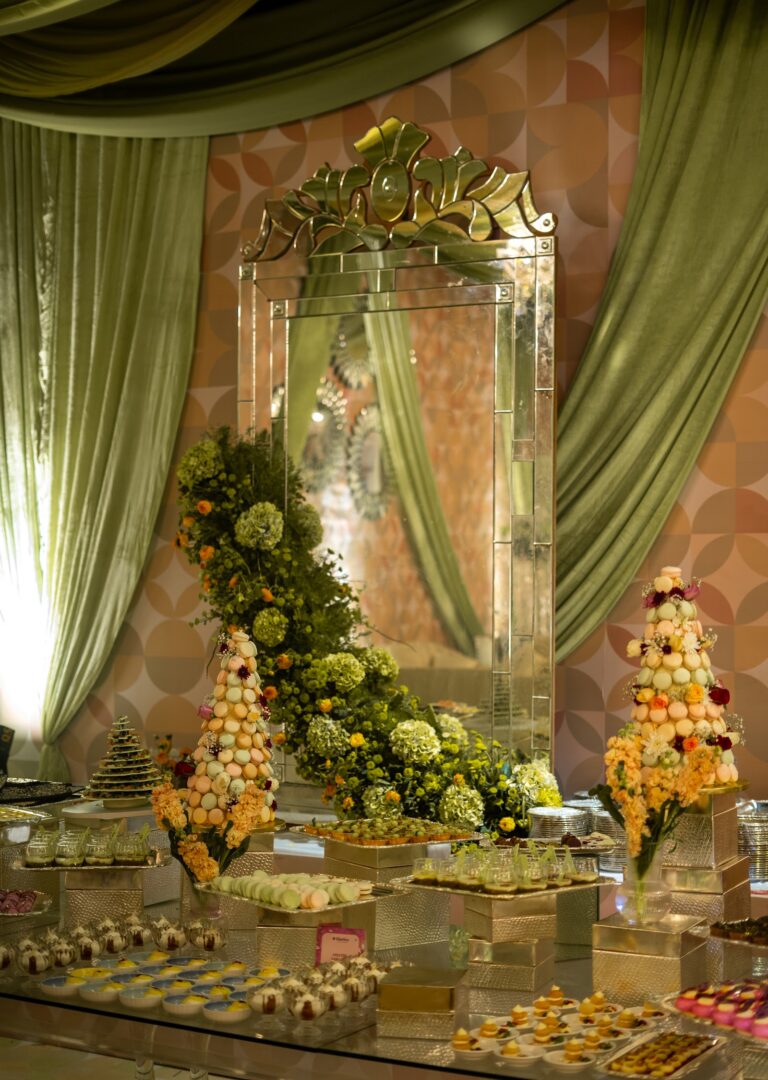
Ten Menu Mistakes Guests Notice Before the Hosts Do
An impressive wedding menu needs to work in guests’ hands, across a crowded room and through an evening that may run late.
An impressive wedding menu needs to work in guests’ hands, across a crowded room and through an evening that may run late.
Read a wedding menu from the guest’s position: one hand holding a drink, a conversation in progress and the next ceremony starting soon. A dish that shines at a tasting may need a different portion, plate or service plan at the celebration.
Restaurant-led catering is a real option: Indian Accent On Location offers complete menus or selected signature plates, while The Bombay Canteen lists catering for weddings. Whichever team you choose, take these ten checks to the tasting.
1. Repeating the same flavour all evening
Lay the welcome meal, cocktail snacks and dinner menus beside one another. Several rich, creamy or fried dishes can feel repetitive even when their names and cuisines differ. Ask where freshness, acidity and lighter choices enter the sequence.
2. Serving a seated dish to a standing guest
Test a canapé with the actual plate and cutlery. If it needs two hands, careful cutting and somewhere to put a sauce bowl, move it to a seated course or change the presentation.
3. Testing the first plate only
Ask how food will be finished, replenished and held during service. A single beautifully timed tasting plate does not demonstrate how a busy counter will work.
4. Making the favourite counter a bottleneck
Review the queue and collection point, not just the counter’s frontage. Ask the caterer when a duplicate station or an additional finishing position would help.
5. Leaving a long gap between meals
Read the food schedule against arrivals, photographs, speeches and performances. Agree what remains available if an event runs beyond its planned dinner time.
6. Treating dietary requirements as last-minute requests
Collect requirements in advance and agree clear labels, named contacts and preparation arrangements. A vegetarian label alone does not tell a guest whether a dish contains dairy or nuts.
7. Forgetting the guest who wants a familiar plate
Give the menu a dependable, complete meal alongside experimental dishes. Make it easy to find, rather than something a guest must request from a manager.
8. Making water harder to find than a cocktail
Walk the guest route and mark accessible drinking-water points. Separate the water plan from the bar queue and include seated guests in the service brief.
9. Closing everything with the main buffet
Confirm the final food-service time and the plan for late arrivals or guests leaving the dance floor. Tell the hospitality team what is genuinely available.
10. Approving the menu without the room plan
Put the caterer, planner and venue around the same layout. Check service access, clearing routes, seating and queues together. The final tasting should approve how the meal reaches the guest as well as what is on the plate.
References: Indian Accent On Location; The Bombay Canteen — Catering.
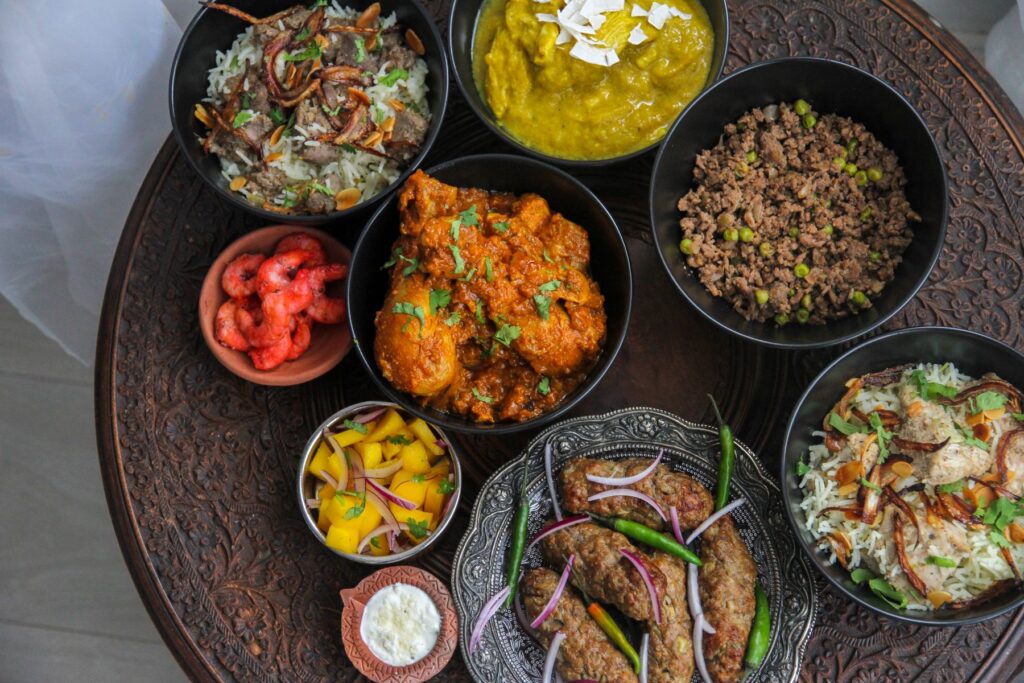
Indian dishes photographed by Pure Punjabi. Photograph: Pure Punjabi / Pexels. Pexels License.
Share this story
More stories like this

There’s More to a Drinq Wedding Bar Than the First Pour

The Wedding Bartender Brings a Personal Pour to the Party