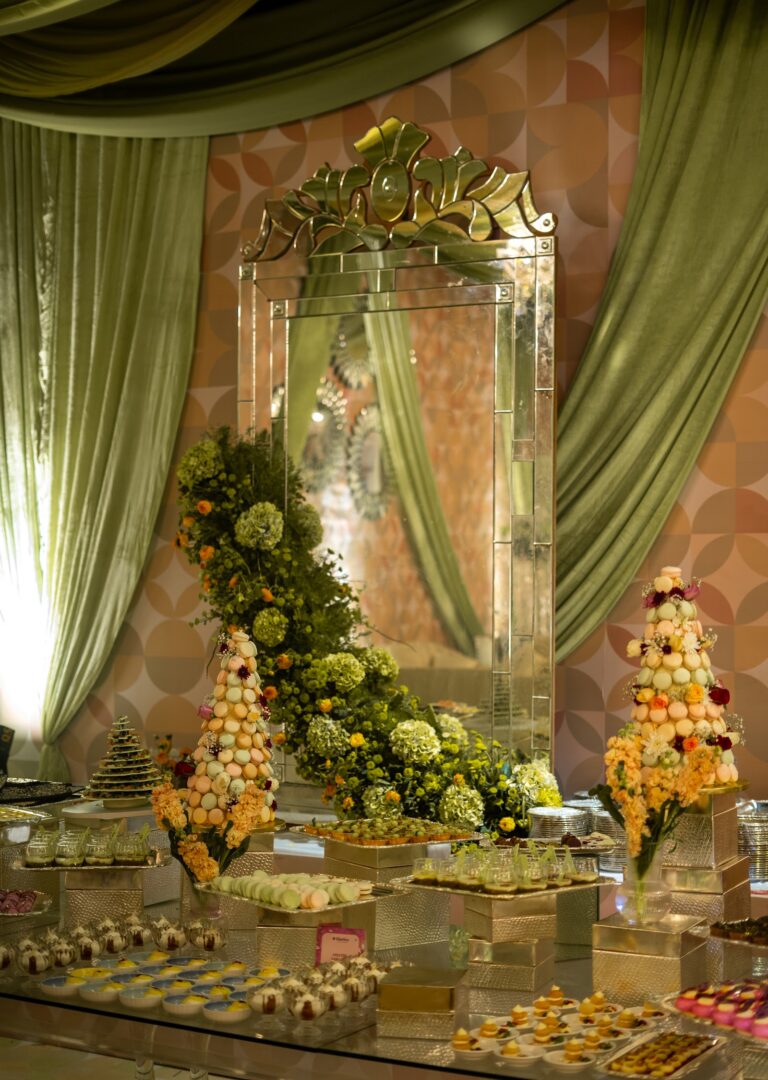
Inside Foodlink’s Luxury Wedding Table
From the family’s food preferences to the final course, a closer look at the choices behind Foodlink Luxury Catering’s wedding dining experiences.
5 minute read
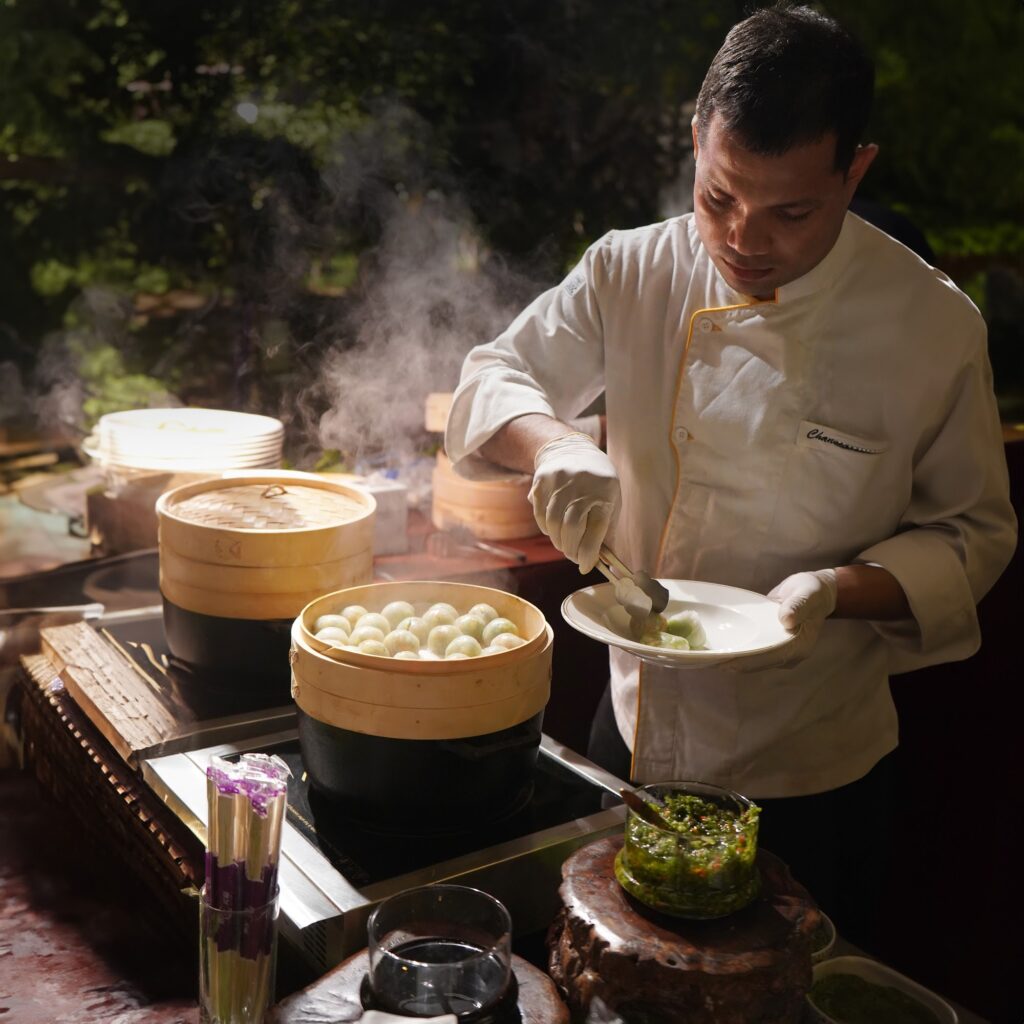
A chef prepares a serving beside steaming baskets in a supplied Foodlink image.
The Menu Begins With a Conversation
A wedding menu has to make sense to the people gathered around it. Some guests will look for familiar flavours. Others will want to try something new. The family may have a dish they consider indispensable, while the couple might bring a different set of tastes to the table. The first task is to understand those preferences and give them a place within the celebration.
Foodlink Luxury Catering’s approach begins with the family’s vision and extends through menu planning, sourcing, presentation and service. Its range includes regional Indian cuisines and global culinary experiences. That breadth makes selection especially important. A menu acquires character through the choices made within it: what belongs at a particular occasion, how the dishes sit together and which flavours the hosts want their guests to remember.
A tasting can turn those decisions into a conversation about the whole meal. A favourite dish may be the starting point, with the rest of the menu built to give it context. The balance of flavours and textures matters across the selection. Several dishes can be appealing individually yet repeat the same qualities when served together. Looking at the menu as a sequence helps reveal that repetition.
The timing of the meal adds another dimension. Guests arriving after a journey will have different needs from those joining an evening reception. A lunch around wedding rituals has its own pace. Across several days, each occasion can offer a distinct food experience while retaining the flavours that make the celebration feel personal. The aim is a menu that suits the moment and the people sharing it.
Give Every Dish a Way to Be Enjoyed

The form in which a dish reaches a guest is part of its design. A small individual portion, a plate assembled at a counter and a course served at the table each ask for a different kind of attention. Choosing between them involves thinking about what guests will be doing: greeting relatives, sitting down to eat or returning to the celebration between bites.
A photograph in Foodlink’s portfolio shows a chef presenting a small dish in both hands. The image draws attention to proportion, the arrangement of the food and the size of the serving vessel. For a wedding menu, this suggests a useful question: how much should a guest receive at this point in the meal? A portion can offer a complete taste while leaving room for the courses or choices that follow.
At a staffed counter, the exchange becomes more immediate. Another supplied image shows a chef working beside steaming baskets, preparing a plate in view of the guest. The preparation is part of what the diner encounters. In planning that experience, the position of the counter and the time required to assemble a serving deserve as much thought as the way it looks.
A counter also creates a point at which people gather. The surrounding layout needs to accommodate that pause and leave a clear route for others. Guests should be able to understand what is being offered and how to receive it. When several food experiences share a room, the relationship between them influences whether people can explore the menu comfortably.
These considerations connect presentation to the service plan. A dish photographed at a tasting will meet different conditions when it is prepared repeatedly during a busy wedding. The catering brief needs to account for the number of guests, the period of service and the setting in which they will eat. The final form should support the way the food is intended to be enjoyed.
Plan the Meal Beyond the Tasting

A menu continues to develop after the dishes have been chosen. The wedding schedule affects when food is needed, while guest information helps establish how it should be served. Dietary preferences, restrictions and allergies need to be discussed with the catering team in advance. Clear information at the point of service then helps guests make their own selections.
For celebrations involving more than one venue or destination, those decisions extend into sourcing and logistics. Foodlink works across cities and international markets, with teams managing the requirements of complex wedding programmes. For the family, that organisation supports a personal meal: the dish they have selected has to arrive in the right form at the right moment.
The relationship with the wider event team is important here. A ceremony can run longer than expected. Speeches can change the pace of dinner. A performance may draw attention away from the tables for a time. Discussing how food service responds to those moments makes the menu part of the wedding’s running order. It also reduces the number of decisions the hosts have to make during the celebration.
Dessert brings a final opportunity to consider proportion and presentation. The plated example pictured here places a compact centrepiece on a broad dark plate, with smaller decorative elements around it. The composition gives the course a distinct identity. At a wedding, the same care should extend to when dessert is offered and how guests encounter it, whether they remain at their tables or have moved elsewhere.
The most personal part of a luxury wedding meal may be a familiar flavour served with particular care. Its success depends on the decisions around it, from the first tasting to the last plate. Foodlink’s focus on allowing families to enjoy their own celebrations places hospitality within that process. A considered menu gives the hosts a way to express their tastes and their guests the time and ease to enjoy them.
Images courtesy of Foodlink Luxury Catering.
Share this story
More stories like this
There’s More to a Drinq Wedding Bar Than the First Pour

The Wedding Bartender Brings a Personal Pour to the Party