A Wedding Menu with a Memory
The most satisfying wedding tables bring personal taste, culinary craft and generous hosting into the same conversation.
5-minute read
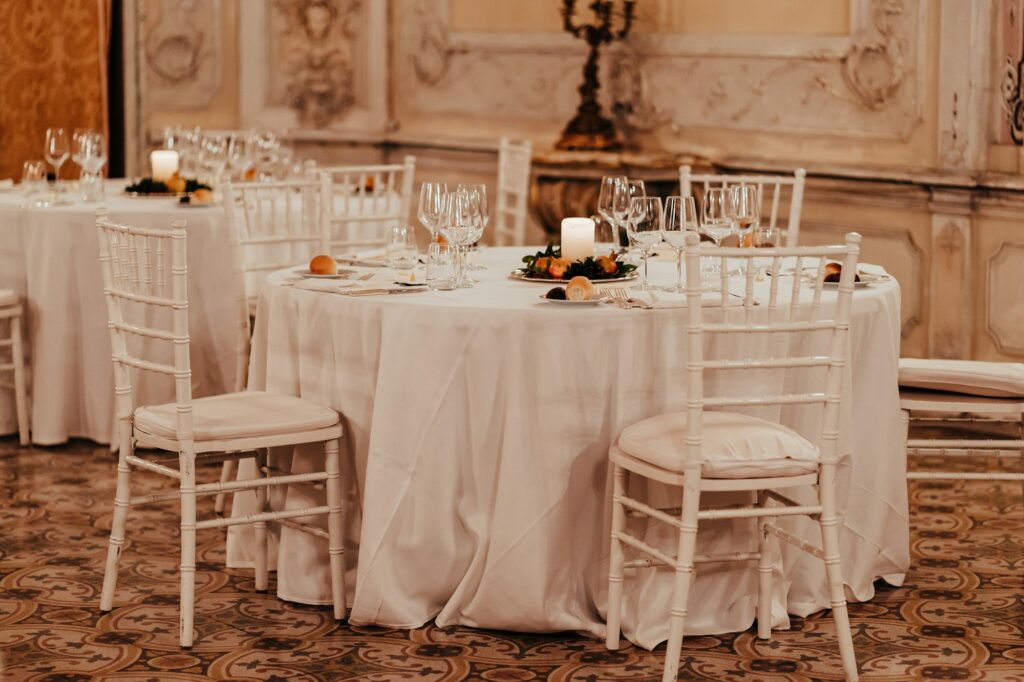
Illustrative photograph by Gabriella Clare Marino / Unsplash.
A wedding menu can reveal a couple in ways that a monogram cannot. The breakfast one grew up with, a sweet associated with a family gathering or the dish ordered on an early date carries a particular kind of recognition. Guests may encounter these references without knowing their full story. They experience them first through taste. When the food has been chosen with care, that encounter can feel both polished and warmly familiar.
Luxury dining at a wedding has room for culinary ambition, but it also has a responsibility to host. Food arrives within a day shaped by ceremonies, conversation and movement. A beautiful plate means less if guests have waited too long to receive it or cannot find something they enjoy. The menu should therefore be imagined as a lived experience. Its success belongs as much to the pace of service and the welcome at the table as to the dishes themselves.
Begin with appetite and identity
Personal references provide a useful beginning for the chef. A family recipe might inspire one course, while the wedding destination suggests another. These ideas need not be reproduced literally. A familiar flavour can appear in a different texture or presentation, provided its character remains clear. The conversation becomes interesting when the couple explains why a dish matters. A chef can respond more thoughtfully to a memory than to an instruction to make everything look expensive.
The menu also needs an overall shape. Rich dishes can be pleasurable, yet a succession of them may leave little room for discovery. A lighter beginning, variation in texture and a considered ending give a meal rhythm. This applies to a seated dinner and to a wider selection of counters. Guests should be able to find a satisfying progression through the food, rather than feel that every dish is asking to be the centrepiece.
Regional cooking can add specificity when it is understood and credited accurately. A dish carries techniques, ingredients and expectations that deserve respect. A thoughtful interpretation can be introduced as an interpretation, without claiming to represent an entire cuisine. The chef's skill lies partly in knowing what can change and what gives the food its identity. That understanding brings more depth to a wedding table than an assortment of names gathered only for their variety.
Abundance with a sense of order
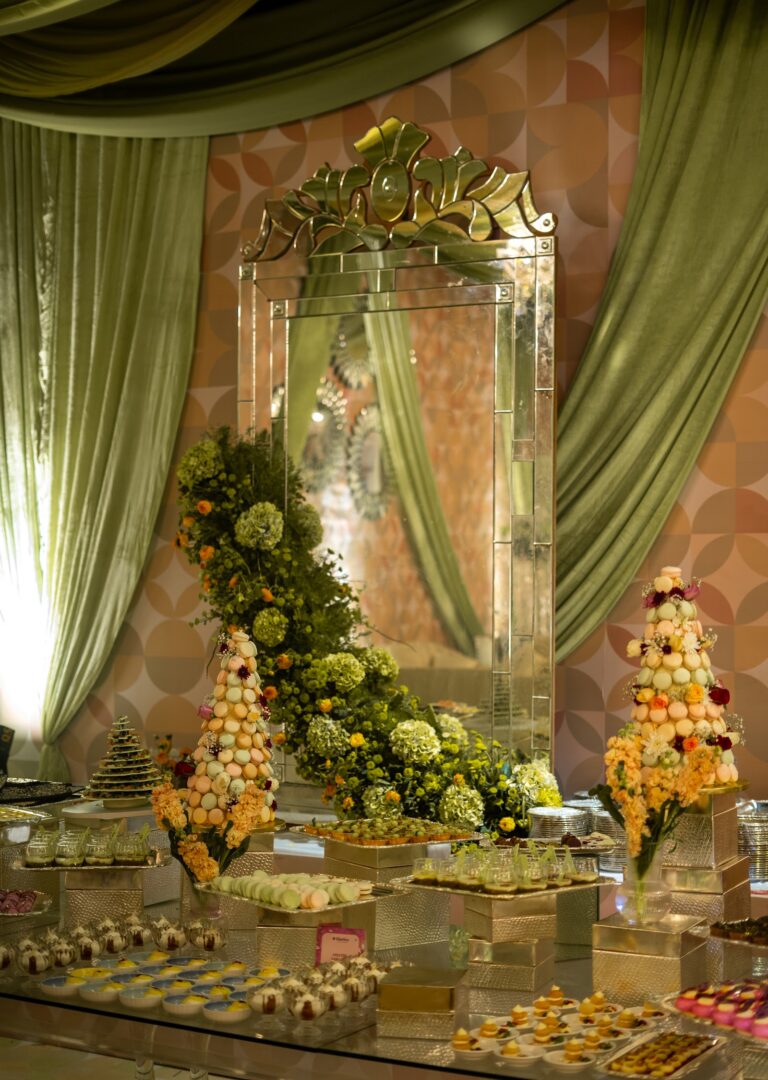
A generous spread should feel navigable. Guests need to understand what is being served, where to find it and how the meal is intended to unfold. Clear descriptions help people choose confidently. The physical arrangement of counters matters too. If one station gathers a long queue while another sits unnoticed, the dining experience becomes uneven. Food design includes the layout of the room and the way a guest moves through it.
Live preparation can create a pleasing connection between a cook and a diner. The sound of a griddle or the finishing of a dish offers a small performance with a practical result. It works best when the interaction remains efficient and the food reaches the guest in good condition. The pleasure should come from seeing skill at work. An elaborate display that delays service can interrupt the very hospitality it is intended to enhance.
There is a place for familiar food among more exploratory dishes. At a large wedding, guests arrive with different tastes and expectations. A comforting option can anchor the experience, particularly after a long ceremony or late in the evening. This does not lower the ambition of the menu. Preparing a familiar dish exceptionally well asks for its own discipline. Sometimes the clearest expression of culinary confidence is knowing when a guest simply wants something delicious and recognisable.
The drinks deserve their own brief
The beverage programme should feel connected to the food and the occasion. An afternoon gathering may call for refreshing drinks that are easy to enjoy while moving through the space. Dinner offers more room for pairings and slower service. The bar's design, glassware and menu language contribute to the atmosphere, but the first consideration remains the experience of ordering. A guest should be able to understand the choices without needing a lengthy explanation.
Alcohol-free drinks deserve the same creative attention as the rest of the menu. Texture, aroma and presentation can make a drink feel complete in its own right. A carefully made tea, a sparkling fruit drink or a considered botanical combination can accompany a celebration beautifully. Water should also be readily available. The goal is a beverage experience in which guests can choose according to their preferences and feel equally well hosted.
Personalisation at the bar can be subtle. A drink name may carry a private joke or recall a place the couple loves, while the recipe still makes sense on its own. Too many references can make the menu difficult to read. One or two meaningful choices, accompanied by a clear description, often communicate more. The couple's personality should give the offering character while leaving the bartender room to focus on consistent preparation and attentive service.
Service is part of the flavour
Timing changes how food is received. A carefully cooked dish can lose its appeal if it sits while speeches run longer than expected. Clearing plates too quickly can make dinner feel hurried. The culinary team needs to understand the programme, and the programme needs to allow for the meal. When planners, chefs and service staff work from a shared sequence, the dining experience can remain composed even as the wedding moves through its emotional moments.
Guests with dietary requirements should be considered from the beginning. An alternative dish deserves thought in flavour and presentation, rather than appearing as a last-minute exception. Gathering accurate information and communicating it clearly to the culinary team helps make that possible. The guest should not have to explain the same requirement repeatedly throughout the evening. Being able to relax at the table is part of the pleasure of attending a well-hosted wedding.
The final course leaves a particular impression. It may be an intricate dessert, a small selection of sweets or something associated with home. Later, a simple late-night offering can become the food everyone remembers because it meets the moment so well. A wedding menu earns its place in memory through these encounters. It gives guests something beautiful to taste, then understands when to offer familiarity, ease and another reason to remain at the table.
Share this story
More stories like this
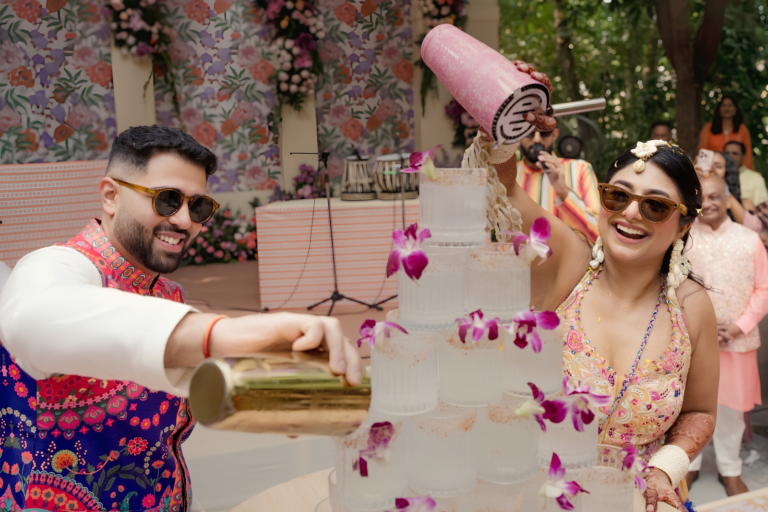
There’s More to a Drinq Wedding Bar Than the First Pour

The Wedding Bartender Brings a Personal Pour to the Party