A Little Space Before the Spotlight
Bridal beauty becomes more personal when the preparation makes room for comfort, familiar rituals and a face that still feels like your own.

5-minute read
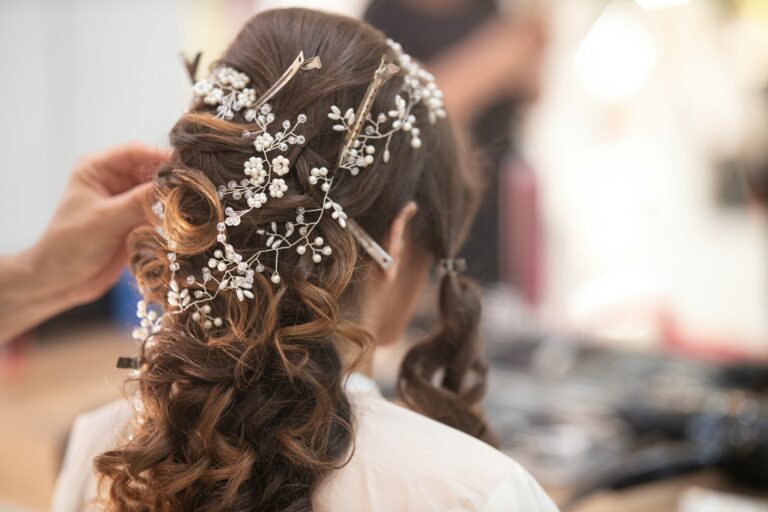
Illustrative photograph by Alex Bertha / Unsplash.
The preparation room has a mood of its own. Clothes hang nearby, jewellery waits on a table and messages arrive from the floor below. Someone is looking for a pin; someone else wants to bring a relative in to say hello. Within this movement, a bride sits in front of a mirror and watches the day begin to take shape around her. The quality of that experience deserves as much thought as the finished photograph.
Beauty at a luxury wedding is both a visual craft and a form of close collaboration. An artist works with a face, a wardrobe and a person's sense of herself. The surroundings and the schedule influence how that work is experienced. A calm preparation window can make the process feel enjoyable rather than procedural. It allows the bride to participate, ask for an adjustment and recognise herself in the result before entering a room full of people.
Start with recognition
The most useful beauty conversation begins with personal preference. How does the bride like to see herself? Which features does she enjoy emphasising? Does she feel at home in a strong lip, softly defined eyes or a more understated finish? These questions establish a relationship with the person wearing the look. A reference image can suggest a direction, but it cannot answer them. The artist's interpretation becomes more meaningful when it responds to the bride's own vocabulary.
A wedding look can feel special without requiring a completely unfamiliar face. The degree of definition, the colour and the finish can be adjusted to suit the occasion while preserving a sense of recognition. This is especially valuable when the bride will encounter herself in photographs for years afterwards. She should be able to see the significance of the day and the continuity of her own style in the same image.
The clothes and jewellery also belong in this discussion. A dramatic neckline or a substantial pair of earrings changes the visual balance around the face. The hair can open that space, frame it or add another layer of detail. Beauty works best when it joins the larger composition. It should not need to compete with every element of the ensemble. A considered relationship between these choices gives the finished look a more assured presence.
The trial is a working conversation
A hair and makeup trial provides time to observe rather than decide in a hurry. The bride can consider the shape of the hairstyle from several angles, the way jewellery sits beside it and the expression the makeup gives her face. A veil or dupatta can change the result substantially, so those intended elements are useful to discuss. The trial is also a chance to learn how clearly the artist understands and responds to feedback.
Photographs from the trial can support that conversation. They may reveal something that is less apparent in the mirror, particularly when the finished look is seen alongside the outfit. The purpose is to compare impressions and make specific decisions. A request to soften the brows or change the height of the hair gives the artist something concrete to work with. Clear language can be more useful than trying to decide whether the overall look feels luxurious enough.
There should also be room for the bride's habits. Someone who regularly pushes hair away from her face may be happier with a style that anticipates that gesture. A person who dislikes the feeling of a particular finish should be able to say so. The wedding will involve many hours of wearing the look. The artist's skill includes making a composition that the bride can inhabit naturally, beyond the few minutes spent looking into the mirror.
Different occasions different moods
A wedding with several events allows beauty to change with the atmosphere. A daytime gathering may invite a softer treatment, while an evening celebration can support stronger definition. Hair can move from an open style to a more structured one if that suits the wardrobe and the wearer. The changes should have a purpose. A schedule does not become more exciting simply because it requires a complete transformation between every appearance.
Time needs to be considered honestly. A substantial hair change affects the preparation window and may influence how long the couple can spend with their guests. The beauty team and planner should understand the same sequence of events. Small touch-ups can sometimes provide the desired shift without making the bride disappear for an extended period. The right decision depends on her priorities, including how much of the celebration she wants to experience without interruption.
The groom deserves an equally personal approach. Grooming should be discussed in relation to his preferences, clothes and comfort in photographs. It need not be treated as a minor task squeezed into another person's schedule. Couples can benefit from knowing that each has a clear preparation plan and enough time to follow it. The shared purpose is to arrive feeling ready, with attention available for the ceremony rather than unfinished arrangements.
Design the hours around the chair
The preparation environment contributes to the experience. Useful light, space for the team to work and a place to keep essential items can reduce repeated interruptions. A trusted person can manage visitors and messages so the bride is not answering every logistical question herself. Some people enjoy a lively room with friends nearby; others want a quieter setting. The atmosphere should be chosen with the bride, rather than assumed from a standard version of wedding morning excitement.
Wellness in this context can be understood through how the schedule treats the person at its centre. There can be time for a meal, a pause between events or a familiar ritual that makes the day feel grounded. A quiet swim, a cup of tea or a short moment alone might belong in the weekend if the person enjoys it. These are personal pleasures, and they should remain free of another set of expectations to perform.
When it is time to leave the room, the bride should feel that the preparation has helped her enter the day. The hair and makeup can be beautiful, but the more lasting achievement is a sense of ease within them. A luxury wedding makes space for this kind of attention. It recognises that the person in the chair has an emotional experience ahead of her, and that beauty becomes most expressive when she is comfortable enough to forget the mirror.
Share this story
More stories like this
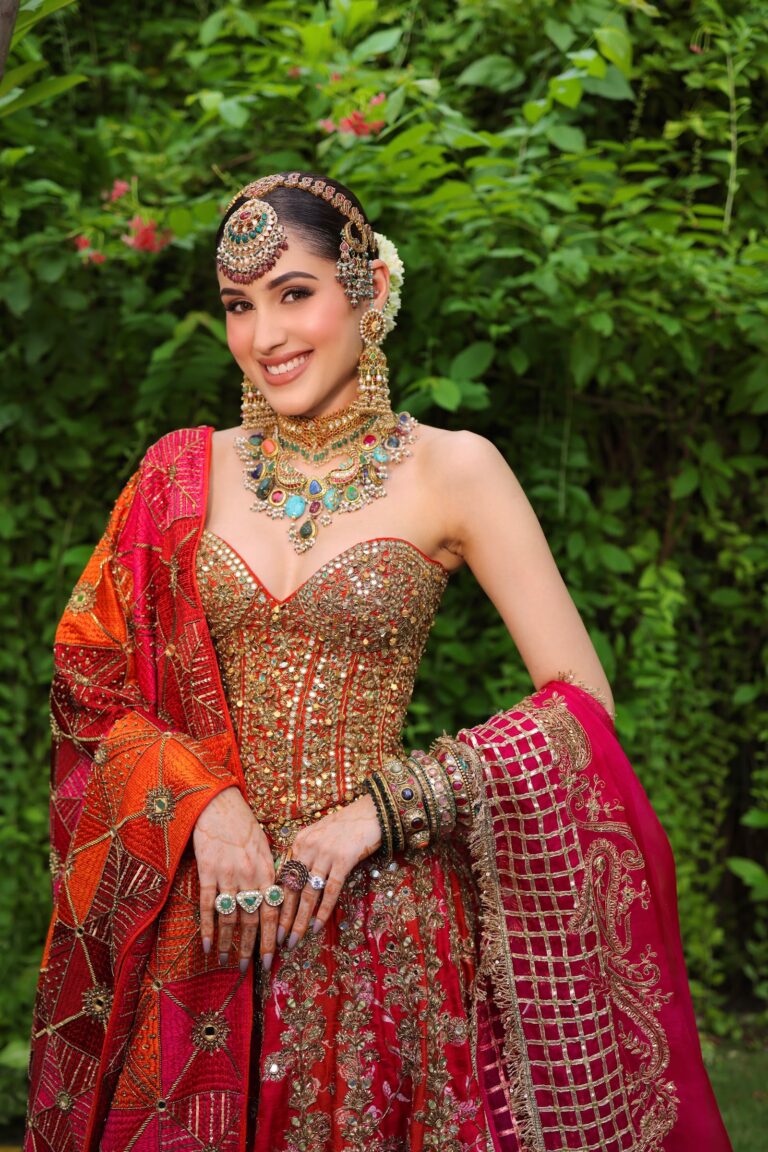
The Bridal Beauty Detail Shradha Luthra Wants to Preserve Is You
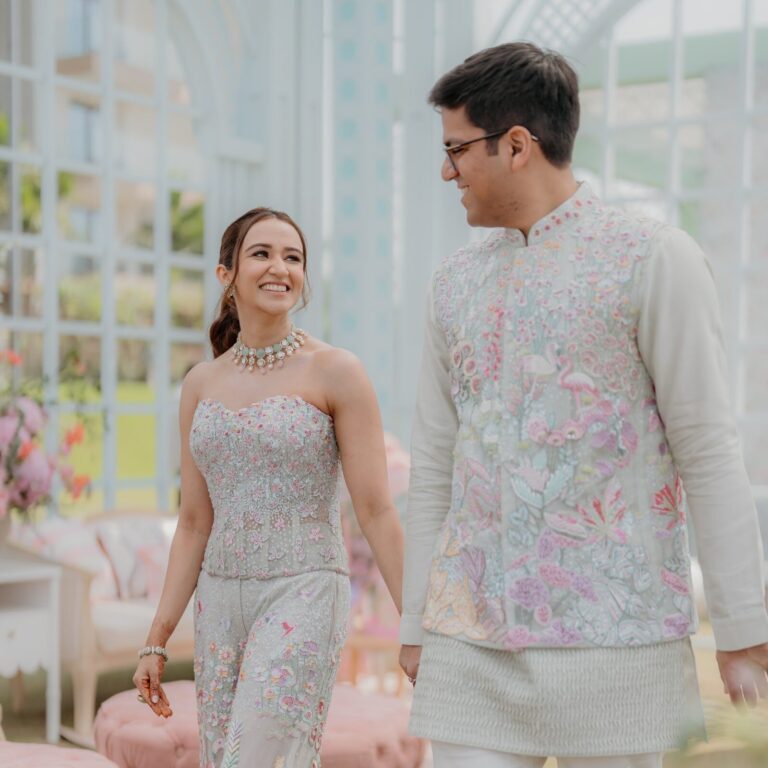
Isha Multani and the Art of a Personal Bridal Wardrobe